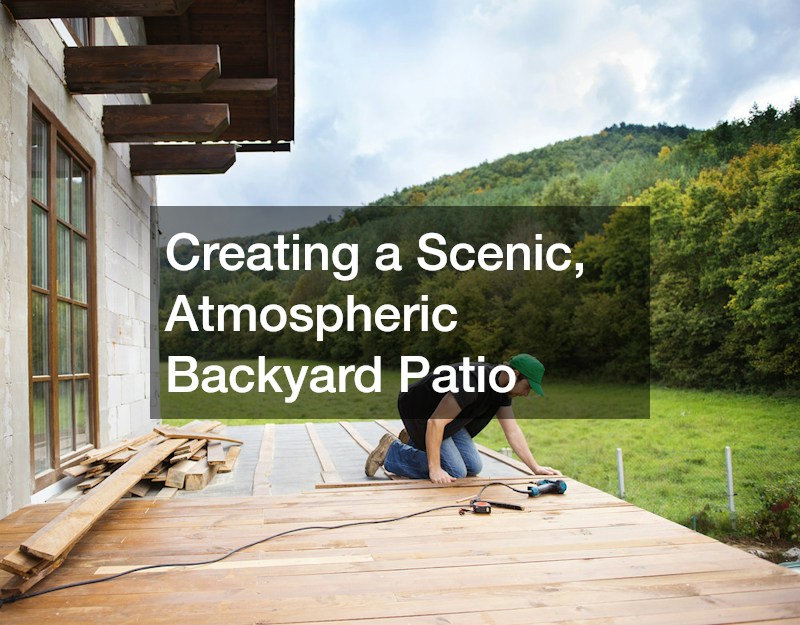
A backyard should not be an afterthought. With intentionality, it can become a personal retreat—an outdoor living room blending home comfort with nature. Creating atmosphere involves more than placing a patio set on concrete. It requires sensory details like the breeze through leaves, textured stone, warm lighting at dusk, and a seamless transition between built and organic environments. Whether envisioning an intimate courtyard, rustic lounge, or modern sanctuary, true atmosphere depends on craftsmanship, balance, and cohesive landscaping. By harmonizing overhead coverings, foundations, healthy plants, and durable surfaces, you can create a hideaway that is comfortable year-round. Explore the components needed to design, build, and maintain an outdoor sanctuary that elevates daily life and hosts memorable gatherings.
Mapping the Footprint and Establishing Visual Flow

A successful outdoor space begins with how it interacts with the land and the adjoining residence. Atmosphere relies heavily on scale, proportion, and effortless movement; if a layout feels cramped or chaotic, relaxation is nearly impossible. Approaching the open canvas of your yard requires evaluating how different areas will function simultaneously. A dedicated space for lively dinner parties demands different acoustics, lighting, and clearance than a quiet corner intended for morning reading or evening stargazing.
When exploring imaginative backyard designs, the most effective strategy involves spatial zoning. Rather than treating the entire area as a single massive slab, dividing the layout into outdoor “rooms” creates an immediate sense of intrigue and discovery. Elevation changes, low seat walls, and strategic perimeter plantings can delineate separate functional spaces without erecting jarring physical barriers.
- Establish Visual Destinations: Draw the eye across the property by placing anchor elements—such as a stone fire table, a soothing fountain, or a sculptured specimen tree—at the end of direct sightlines from primary home windows and backdoor exits.
- Maintain Comfortable Clearances: Ensure high-traffic pathways have at least four to five feet of unobstructed width, while secondary paths between seating arrangements should remain at a minimum of three feet to allow effortless movement.
- Balance Sun and Shade Exposure: Map the trajectory of sunlight across the yard throughout the day to ensure dining tables are shaded during peak afternoon heat while lounging nooks catch golden late-afternoon rays.
Moving between these distinct zones should feel like a natural progression rather than an awkward trek across uneven turf. The physical journey from the home’s rear threshold into the heart of the patio sets the tone for the entire outdoor experience. Integrating walkway patio stone paving allows you to introduce organic curves, rich geological textures, and structural permanence to the landscape.
Flagstone, bluestone, granite, and interlocking concrete pavers each offer unique moods. Broad, irregular flagstones set with wide joints filled with creeping thyme or fine gravel cultivate an Old World, romantic atmosphere. In contrast, smooth, rectilinear slate or limestone laid in tight, clean bonds conveys sophisticated, contemporary refinement. Paying close attention to edge restraints and establishing a properly graded, compacted gravel sub-base prevents shifting and settling, ensuring your garden paths remain safe, level, and stunning through years of seasonal freezing and thawing.
Structural Comfort, Climate Control, and Enclosures
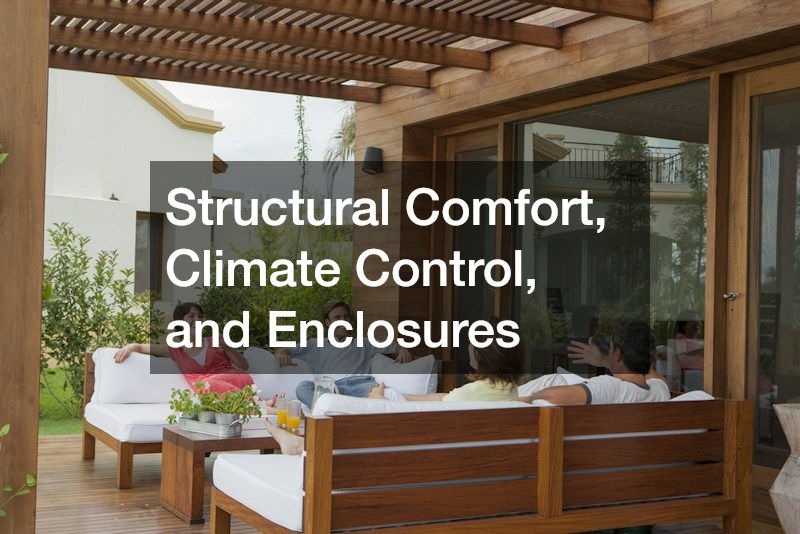
While open-air living connects us to nature, unmitigated exposure to the elements quickly undermines the ambiance. Sweltering midday sun, sudden rain showers, and persistent insects can easily drive guests back indoors. Integrating architectural overhead structures and protective barriers transforms an exposed patio into a sheltered, climate-resilient retreat that remains usable throughout fluctuating weather conditions.
A versatile strategy involves incorporating adaptable overhead coverage that shifts according to the hour and season. Investing in high-performance patio screens and awnings gives you instant control over changing atmospheric conditions. Motorized retractable fabric canopies allow you to invite warming rays during brisk autumn afternoons, then extend cooling shade when the midday summer sun peaks. Lateral arm awnings fitted with wind sensors automatically retract during unexpected gusts, protecting the mechanical hardware while keeping your outdoor lounge protected. When paired with vertical drop shades along open pergolas, they effectively block low-angle western glare and temper stiff evening breezes.
- Select Solution-Dyed Acrylic Fabrics: Choose marine-grade textiles that resist mold, mildew, and solar fading while blocking up to ninety-eight percent of damaging ultraviolet rays.
- Integrate Concealed Drainage: Ensure covered structures incorporate hidden internal downspouts within their vertical support posts to direct rainwater cleanly away from lounging zones and building foundations.
- Combine Air Movement with Thermal Comfort: Suspend outdoor-rated damp- or wet-location ceiling fans from overhead beams to disrupt stagnant summer air, paired with directional radiant heaters to warm surfaces during chilly evenings.
For properties located near humid zones, woodlands, or standing water, biting insects can quickly turn an evening dinner into a frustrating ordeal. In such environments, comprehensive architectural protection becomes a necessity. Professionally built patio screen enclosures offer full perimeter defense without compromising scenic panoramic views or gentle cross-ventilation.
Modern screen systems utilize durable, powder-coated aluminum frames engineered to match your home’s architectural lines seamlessly. Advanced mesh materials offer benefits far beyond basic insect exclusion; ultra-fine weaves block tiny no-see-ums, specialized pet-resistant screening resists tears, and solar-filtering weaves significantly reduce ambient heat transfer. By blurring the physical boundary between interior comfort and outdoor splendor, a screened enclosure serves as a tranquil, protected conservatory where you can listen to summer rainstorms or dine late into the night in undisturbed peace.
Framing the Space with Canopy Care and Architectural Color
An atmospheric patio requires vertical balance. If a hardscape space is bordered only by low grass or high, untreated blank siding, it can feel exposed, stark, and ungrounded. Creating an intimate sense of place requires framing the perimeter with living canopies and thoughtful exterior finishes that serve as a cohesive visual backdrop.
The mature trees surrounding your property are priceless architectural assets. They provide natural cooling shade, establish scale, and filter incoming daylight into dynamic patterns of dancing shadows. However, neglected branches can pose structural hazards, block essential airflow, or cast areas into gloomy, excessive shade. Partnering with seasoned tree services ensures your overhead canopy enhances the setting safely and artfully.
Certified arborists perform vital canopy thinning and deadwood removal, allowing gentle breezes and filtered sun to reach the patio below while strengthening trees against severe storm damage. Crown raising removes low-hanging branches that obstruct garden sightlines, while structural cabling preserves beloved heritage specimens. The goal is to curate an overhead ceiling that feels protective and airy rather than oppressive or hazardous.
- Curate Dappled Sunlight: Thin out dense, overlapping upper branches to let soft shafts of morning light filter through to the patio floor, creating a warm, enchanting forest-floor effect.
- Plant Companion Understory Trees: Introduce smaller ornamental varieties—such as Japanese maples, serviceberries, dogwoods, or redbuds—beneath the grand canopy to bridge the vertical drop between towering shade trees and low patio plantings.
- Preserve Critical Root Zones: Avoid excavating, trenching, or laying non-porous paving over primary tree root zones, as soil compaction and root damage can kill mature specimens within a few seasons.
The walls of your home and outbuildings form the rear backdrop against which your entire landscape is viewed. Faded, peeling, or mismatched siding pulls attention away from even the most exquisite stonework. Collaborating with skilled exterior painters helps unify your architectural features with the natural surroundings.
Selecting a cohesive exterior palette sets the emotional tone of the entire space. Warm, muted neutrals, deep charcoal accents, earthy taupes, or mossy olive tones allow structural walls to recede visually, making your lush plantings and natural stone surfaces stand out with vivid intensity. Professional surface preparation—including thorough pressure washing, scraping, caulking, and priming—ensures the final finish withstands intense outdoor exposure, preventing premature peeling and keeping your patio backdrop pristine.
Illumination, Audio, and Safe Utility Infrastructure

As dusk settles, lighting and utilities determine the personality of your patio. A space that is brilliant and welcoming by day can fall flat at night if illuminated by a single harsh floodlight. Crafting an inviting evening atmosphere requires layered, low-voltage illumination paired with discreet utility lines that deliver power and sound without visually intruding upon the garden setting.
Safety, reliability, and code compliance are paramount when routing utilities throughout outdoor environments where moisture, soil movement, and temperature swings are constant factors. Enlisting qualified electrical services ensures your ambient vision is supported by robust infrastructure.
Licensed professionals install dedicated outdoor subpanels, bury heavy-duty conduits below local frost and shovel depths, and place weatherproof ground-fault circuit interrupter outlets exactly where they are needed. This foundational work allows you to run high-draw appliances—such as outdoor refrigerators, griddle stations, and radiant heating panels—without overloading household circuits or relying on dangerous, unsightly extension cords.
- Layer Light Levels: Avoid singular, high-intensity fixtures in favor of three distinct tiers: ambient lighting for broad orientation, task lighting for cooking and dining, and accent lighting to highlight special architectural or botanical features.
- Stick to Warm Color Temperatures: Select LED fixtures calibrated strictly between 2700K and 3000K; cool white light feels clinical and uninviting, while warm light mimics the cozy glow of firelight and incandescent bulbs.
- Conceal the Light Sources: Place fixtures behind boulders, within low shrubbery, or beneath step overhangs so guests experience the subtle, glowing effect of illumination without staring directly into an exposed glare source.
Once the safety infrastructure is secured, you can weave nuanced ambient details throughout the landscape. Low-voltage uplights angled against the sculptural trunks of birch or crape myrtle trees create striking silhouettes against the night sky. Inconspicuous pathway fixtures prevent stumbling along stone walkways, while subtle under-cap illumination installed beneath sitting walls and stair treads outlines hardscape perimeters in warm ribbons of light.
To complete the sensory experience, incorporate a distributed landscape sound system. Rather than placing a pair of loud, directional speakers on the rear house wall, install multiple small, weatherproof satellite speakers and in-ground subwoofers throughout the garden perimeter. This distributed approach provides immersive, rich acoustic coverage at gentle, conversation-friendly volumes, allowing soothing background music or nature soundscapes to drift across the patio without disturbing your neighbors.
Grounding the Setting with Vibrant, Low-Maintenance Turf

Hardscaping, covered structures, and lighting form the core functional skeleton of a patio, but vibrant living greenery provides the soul. The contrast between cool, solid paving stones and a deep green carpet of grass introduces immediate visual relief and natural harmony. A healthy lawn softens hard architectural angles, absorbs ambient heat, and acts as a vivid framing border that makes the colors of your stone and furniture pop.
Maintaining this crisp, emerald perimeter requires efficient water management tailored to the unique microclimates surrounding the patio. Over-spraying hardscape surfaces with municipal water leaves unsightly mineral deposits on expensive stone, promotes slippery algae growth, and wastes precious resources. Installing modern lawn irrigation installations resolves these challenges through targeted, high-efficiency distribution.
Smart controllers connected to local weather stations automatically adjust watering schedules based on real-time temperature, humidity, and rainfall data. Dedicated drip zones deliver hydration directly to the root zones of patio perimeter shrubs, while matched-precipitation rotary nozzles apply water slowly to grass margins, preventing runoff and keeping seating areas dry.
- Group Plantings by Water Need: Implement hydrozoning by placing drought-tolerant ornamental grasses, lavender, and sedum along stone edges, while reserving dedicated irrigation zones for thirstier turfgrasses.
- Maintain Definite Turf Edges: Cut clean, deep spade trenches or install metal edging between lawn borders and stone beds to stop aggressive turf roots from creeping into paver joints.
- Aerate Soil Annually: Heavy patio construction compacts surrounding soils; core aeration each spring or fall opens up soil pores to allow water, oxygen, and nutrients to penetrate deep into root zones.
Sustaining rich, dense turf that withstands foot traffic around an active entertainment hub requires consistent nutritional replenishment. Relying on specialized fertilizing services ensures your grass receives balanced, custom-blended nourishment throughout the growing season.
Professional soil testing identifies underlying pH imbalances and mineral deficiencies, allowing technicians to apply slow-release nitrogen, phosphorus, and potassium blends tailored precisely to your soil’s needs. Proper fertilization fuels deep, resilient root systems that crowd out invasive weeds naturally, resist drought stress, and recover quickly after lively weekend gatherings.
To keep this surrounding green canvas looking immaculate, routine maintenance must be kept on a disciplined schedule. Many homeowners choose to partner with trusted local lawn care specialists to manage ongoing maintenance.
Consistent mowing at the proper species-specific height encourages thick lateral grass growth, discouraging weed germination and producing a luxurious, carpet-like appearance. Precision line trimming around borders, walkways, and vertical pillars maintains crisp architectural separation, preventing the landscape from looking overgrown. With ongoing weed management, seasonal dethatching, and perimeter edging taken care of, you can step outside and enjoy your scenic surroundings without facing a demanding list of weekend yard chores.
Creating a scenic backyard patio is an investment in wellness, hospitality, and home value. Viewing the space architecturally, every choice—from hardscape layout to micro-climate controls and canopy—establishes a sanctuary. Success lies in thoughtful planning and not cutting corners on infrastructure. A luxurious space is defined by the foundation—compacted gravel bases, compliant conduits, smart irrigation, and nutrient-dense soil—alongside the beauty of stone, finishes, and fixtures. Map your lifestyle, observe natural elements, and build in stages if needed. Start with a strong foundation and utilities, frame the perimeter with greenery. These elements create an enduring haven, soothing senses and providing a picturesque backdrop for memorable living.