
That small leak under the sink or the crack creeping across your driveway might seem easy to ignore for a few more months. But home repairs rarely stay small when left alone, and the longer you wait, the more systems around them start to suffer too. Understanding how delayed fixes snowball into bigger expenses can help you prioritize what actually needs attention now versus what can wait. This guide breaks down the hidden costs hiding behind common postponed repairs.
Leaky Pipes and Water Damage Behind Walls
A small drip under the sink feels like a minor inconvenience, but moisture behind walls and under floors creates conditions for mold, rot, and warped framing within weeks. What starts as a quick fix can turn into a project involving drywall replacement, subfloor repair, and mold remediation if the source goes unaddressed. Many homeowners wait until water is visibly pooling before calling for help, but by then the damage has usually spread well beyond the original pipe.
Calling plumbers at the first sign of a slow leak or a strange sound in the walls is almost always cheaper than waiting for a full pipe failure. A routine service call is a fraction of the cost of replacing water-damaged cabinetry, flooring, or ceiling drywall. Catching the problem early also protects your water bill, since even a minor leak can waste thousands of gallons over a year.
- Watch for water stains, bubbling paint, or a musty smell near plumbing fixtures
- Check your water meter when nothing is running to spot hidden leaks
- Address slow drips immediately rather than waiting for a full failure
- Insulate exposed pipes before winter to prevent costly freeze damage
Drafty Windows and Rising Energy Bills

Old or damaged windows do more than let in a draft. They force your heating and cooling systems to work overtime, which shortens equipment lifespan and quietly inflates monthly utility bills. Over a year or two, the extra energy cost can rival the price of replacing the windows outright, except you end up paying for both the inefficiency and the eventual replacement.
Bringing in a window replacement contractor for an assessment before windows fully fail gives you more control over timing and budget. Waiting until a frame rots or glass seals break completely often means emergency repairs at a higher price, sometimes with limited product options because you need something installed quickly. A professional can also catch issues like improper flashing that lead to water intrusion around the frame, which causes damage well beyond the window itself.
- Feel for drafts around frames on windy days
- Check for condensation between double-pane glass, a sign the seal has failed
- Look for soft wood or peeling paint on wooden frames
- Compare energy bills seasonally to spot a sudden spike tied to window performance
Aging Air Conditioning Units and Emergency Breakdowns
An air conditioning system nearing the end of its life tends to give warning signs: weaker airflow, strange noises, or short cycling. Ignoring these symptoms often means the unit fails completely during the hottest stretch of summer, when demand for repairs is highest and scheduling is hardest to secure. Emergency replacements also tend to cost more than planned ones, since there is little room to shop around for pricing or financing options.
Scheduling an annual tune-up with reputable AC companies can extend the life of your system by several years and catch small issues, like a failing capacitor or low refrigerant, before they cause a full breakdown. A well-maintained unit also runs more efficiently, which keeps your energy bills in check during peak usage months. Waiting until the system dies completely removes your ability to make a calm, researched decision about replacement.
- Replace air filters every one to three months
- Listen for grinding, rattling, or clicking sounds during operation
- Note if certain rooms cool noticeably slower than others
- Schedule maintenance in spring before peak summer demand hits
Deferred Structural Repairs and Foundation Settling
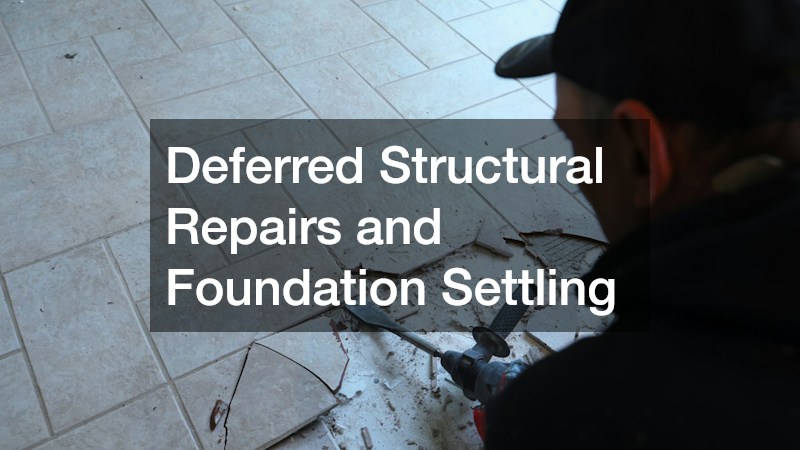
Hairline cracks in a foundation or slightly uneven floors are easy to dismiss as cosmetic quirks of an older home. But these are often early indicators of soil movement or settling that worsens over time, especially after heavy rain or drought cycles that shift moisture levels under the slab. Left alone, minor settling can progress into structural cracks, sticking doors, and misaligned windows that affect the whole house.
Specialized mudjacking companies can often correct minor to moderate settling by injecting a stabilizing material beneath the slab to lift it back into position, a far less invasive and less expensive option than full foundation replacement. The key is catching the problem while it is still a leveling issue rather than a structural one. Homeowners who wait until cracks widen significantly may find that lifting alone is no longer enough, requiring more extensive underpinning work instead.
- Check for gaps between baseboards and flooring
- Test whether doors and windows stick or no longer latch properly
- Look outside for cracks in exterior brick or the foundation itself
- Measure crack width periodically to track whether it is actively growing
Roof Leaks and the Spread of Hidden Rot
A missing shingle or small roof leak rarely stays contained to one spot. Water travels along rafters and insulation before it ever shows up as a stain on your ceiling, meaning the visible damage is usually much smaller than what is happening above it. By the time you notice a drip indoors, the plywood decking and framing underneath may already be compromised.
Reaching out to roofing companies for a routine inspection every few years, or immediately after a major storm, helps catch granule loss, flashing damage, or lifted shingles before they become an entry point for water. A roof replacement is a significant investment, but it costs far less than repairing rotted decking, damaged insulation, and interior ceiling drywall caused by a slow, unnoticed leak. Many roofing issues are also easier to spot from the ground with binoculars than people expect, giving homeowners an easy way to self-check between professional visits.
- Look for curling, cracked, or missing shingles after storms
- Check gutters for excessive granule buildup
- Inspect ceilings for faint yellow or brown stains
- Schedule a professional inspection every two to three years
Overflowing Septic Systems and Backyard Contamination

Septic systems rarely announce trouble until the problem is already serious, often showing up as slow drains, gurgling pipes, or soggy patches in the yard. Skipping routine maintenance allows solid waste to build up in the tank, which can eventually clog the drain field, a repair that costs dramatically more than routine upkeep. In the worst cases, an overwhelmed system backs up into the home itself.
Scheduling a septic pump out every three to five years, depending on household size and tank capacity, keeps solid waste levels in check and protects the drain field from premature failure. This single task is one of the most cost-effective ways to extend the life of an entire septic system. Skipping it to save a few hundred dollars now often leads to drain field replacement costing many times more down the line.
- Watch for slow drains throughout the house, not just in one bathroom
- Note any sewage odor near the tank or drain field
- Keep a record of your last pump out date for reference
- Avoid flushing grease, wipes, or harsh chemicals that accelerate tank buildup
Malfunctioning Garage Door Springs and Safety Risks
A garage door that is slow to open, makes grinding noises, or occasionally reverses on its own is showing signs of spring or track wear. These components are under significant tension, and a failing spring does not just become an inconvenience, it becomes a genuine safety hazard if it snaps while the door is in motion. Ignoring early warning signs also puts added strain on the opener motor, which can fail prematurely as a result.
Technicians who specialize in garage doors can usually replace a worn spring or realign a track for a modest cost compared to a full door and opener replacement. Waiting until the system fails completely often means dealing with a stuck door, a damaged vehicle if something falls, or an opener that burns out trying to compensate for the mechanical problem. Routine lubrication and a visual inspection twice a year go a long way toward avoiding a surprise breakdown.
- Listen for grinding or popping sounds during operation
- Check that the door opens and closes evenly on both sides
- Test the auto-reverse safety feature periodically
- Lubricate rollers, hinges, and tracks twice a year
Outdated Additions and Costly Demolition Delays
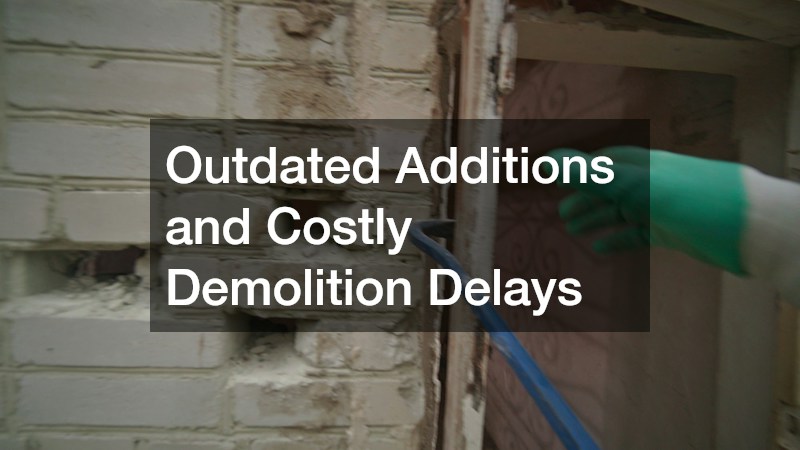
Sometimes the repair you are avoiding is not a quick patch but a full removal, like a rotting deck, a damaged sunroom, or a shed with a collapsing roof. These structures often started as additions meant to boost living space or curb appeal, but once they fall into disrepair, they become liabilities instead of assets. A deck with soft, spongy boards or rusted hardware can give way without warning, and a sunroom with a leaking roof may be hiding mold growth behind its walls long before it’s visible. Leaving these structures standing invites pests, water intrusion, and liability risk, especially if neighbors or guests are nearby. Termites and carpenter ants are drawn to damp, decaying wood, and once they move in, they rarely stay confined to the structure that attracted them. If a guest or delivery person is injured on a crumbling deck or falling shed roof, homeowners can also face liability claims that far exceed the cost of simply tearing the structure down sooner. The longer a failing structure sits, the more it can affect the surrounding yard, foundation, or siding it touches. A collapsing shed roof can trap moisture against a home’s exterior wall, slowly rotting siding or sheathing that would otherwise be fine. Similarly, a failing sunroom attached to the main house can pull on shared framing or flashing, turning what should have been an isolated teardown into a repair project that touches the main structure itself, often adding thousands of dollars to the eventual demolition and rebuild cost.
That sunroom, carport, or converted garage that’s been quietly rotting for years doesn’t just sit there harmlessly — it keeps settling, leaking, and pulling moisture into the main structure it’s attached to. Once support beams sag or foundations crack, the cost of saving the addition can quickly exceed the cost of starting over. Waiting even one more rainy season can turn a simple removal into a repair job for the main house as well. Bringing in demolition contractors to remove a structure safely and haul away debris is often simpler and more affordable than attempting a DIY teardown, particularly when utilities, permits, or structural attachments are involved. Many older additions have knob-and-tube wiring, buried plumbing lines, or asbestos siding that require careful handling, not a sledgehammer approach. Professionals also know how to disconnect a structure from the main house without compromising shared walls, rooflines, or load-bearing points. A home builder can also offer useful guidance here, helping you decide whether a failing addition is worth repairing or better removed entirely to make way for something more functional. They can walk you through rough cost comparisons — patch-and-repair versus full removal and rebuild — so you’re not guessing. In many cases, a dated 1980s sunporch or an uninsulated lean-to simply isn’t worth preserving once labor and materials are factored in. Getting ahead of the decision prevents the structure from deteriorating further and potentially damaging the main house. It also gives you more control over timing and budget, rather than being forced into an emergency teardown after a collapse or code violation notice.
- Check for structural sagging, rot, or pest activity in unused additions, especially around rooflines, floor joists, and foundation connections
- Look for soft spots in flooring or visible daylight through wall seams, both signs that damage has spread beyond the surface
- Confirm whether permits are required before removal begins, since demolition without proper approval can trigger fines or delay a future sale
- Ask your municipality whether the addition was ever permitted in the first place, as unpermitted structures can complicate removal and insurance claims
- Ask about debris disposal and site cleanup as part of the quote, including who hauls materials and whether landfill fees are included
- Get clarity on timeline too, since lingering debris piles can attract pests or become a liability risk
- Consider whether repair or full removal offers better long-term value, factoring in resale impact, maintenance costs, and how the space might be reused
- Weigh a rough cost comparison, as patch repairs may run a few thousand dollars while full teardown and rebuild can climb into the tens of thousands
Small repairs rarely stay small when they are ignored, and the true cost of waiting almost always exceeds the cost of addressing an issue early. Walk through your home this weekend and make a short list of anything that looks, sounds, or feels off, then start researching qualified professionals for the items that pose the greatest risk. Acting now, while problems are still minor and manageable, puts you back in control of both your budget and your timeline.