When it comes to protecting your most valuable investment, your roof is the first line of defense. A roof is not a one-size-fits-all product; a material that thrives in the sun-drenched valleys of the Southwest will fail miserably under the heavy snow loads of New England. Choosing the right material requires a careful balancing act between regional weather patterns, material durability, architectural style, and long-term maintenance needs. If you make the wrong choice, you risk dealing with premature degradation, structural compromise, and skyrocketing energy bills.
A thoughtful approach to your roof selection will save you thousands of dollars over the lifetime of your home. It isn’t just about what looks good from the driveway; it is about how the material handles thermal expansion, moisture shedding, and high-velocity winds. This comprehensive guide will walk you through the precise steps to match your local climate with the perfect overhead protection, ensuring your home remains safe, dry, and energy-efficient for decades to come.
Assess Your Local Weather Vulnerabilities
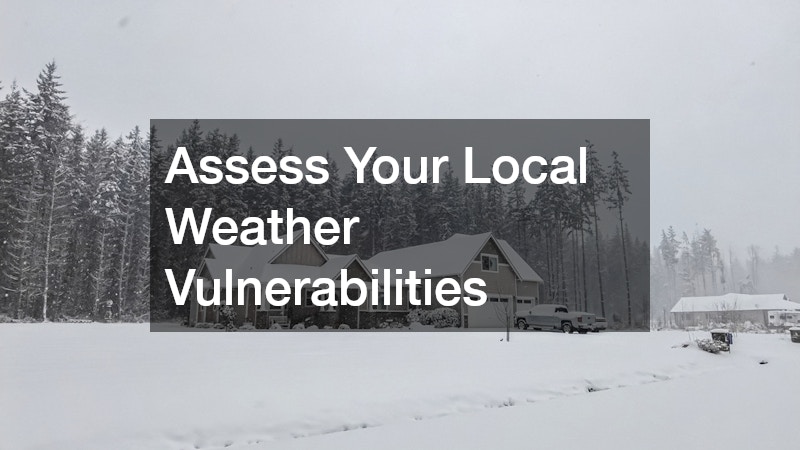
Before looking at color samples or booking consultations, you must conduct an honest appraisal of your local climate’s harshest elements. If you live in an area prone to severe coastal storms, your primary concern will be wind uplift resistance and salt spray corrosion. Conversely, homeowners in the Midwest must prioritize impact resistance to withstand seasonal hail storms that can shatter brittle materials. Take time to look at historical weather data for your region to identify whether your roof will fight heat, ice, wind, or a combination of all three.
Understanding your climate’s specific threat vector prevents you from overpaying for features you do not need while ensuring you do not under-specify critical protections. For example, homes in high-humidity zones require materials treated with copper or zinc granules to prevent the unsightly growth of blue-green algae. By identifying these regional challenges early, you can narrow down your material choices to options engineered to withstand your specific environment.
Evaluate High-Heat Performance and Reflectivity
In regions where summer temperatures consistently break records, your roof acts as a giant thermal sponge. Traditional dark asphalt shingles absorb the sun’s radiant heat, transferring it directly into your attic and forcing your air conditioning system to work overtime. To combat this, look for materials with high Solar Reflectance Index (SRI) ratings, which measure a roof’s ability to reject solar heat and radiate absorbed infrared energy.
- Cool Asphalt Shingles: Specially manufactured with reflective granules that bounce solar radiation away from the home.
- Metal Panels: Naturally reflective surfaces that can be coated with cool-roof pigments to maximize thermal efficiency.
- Clay and Concrete Tiles: Their heavy thermal mass slows down heat transfer, while their curved shapes allow for natural airflow underneath.
When dealing with extreme heat, partnering with top-tier residential roofers ensures that your chosen material is installed alongside an optimized attic ventilation system. Professional roofing companies understand that reflectivity is only half the battle; intake and exhaust vents must work in harmony to prevent hot air from becoming trapped beneath your roof deck.
Plan for Heavy Snow and Ice Dams
For homeowners in cold northern climates, a roof must be a structural powerhouse capable of supporting thousands of pounds of accumulated snow. The pitch of your roof, combined with the texture of your material, dictates how easily snow can slide off before it packs down and freezes. Flat or low-slope roofs in snowy regions require specialized waterproofing membranes, whereas steep-sloped roofs can utilize slicker materials to shed snow naturally.
The true enemy in freezing climates is the dreaded ice dam, which forms when escaping home heat melts snow on the upper roof, causing water to run down and refreeze at the cold eave line. To protect against this destructive cycle, you need robust ice and water shielding membranes installed under your primary material. Investing in premium roofing services allows you to fortify these vulnerable edges with self-adhering barriers that prevent backed-up water from penetrating your home’s interior. Reliable roofing solutions in cold climates always combine high-R-value attic insulation with a perfectly sealed vapor barrier to keep the roof deck cold.
Verify Wind Resistance Ratings for Storm Zones
High winds possess immense lifting power that can peel roofing materials away like paper, exposing the bare wooden deck to torrential downpours. This destructive peeling occurs due to wind uplift, a phenomenon where fast-moving air creates a vacuum above the roof, literally sucking unanchored materials off the deck. If you live in a hurricane-prone coastal region or a tornado alley, you must check the wind uplift ratings of your chosen material. Look specifically for products that have passed rigorous industry standards, such as the ASTM D7158 class H rating, which certifies survival in winds up to 150 mph.
Achieving maximum wind resistance depends heavily on the execution of the installation process. Experienced local roofers will use specialized high-wind nailing patterns, often applying six nails instead of the standard four, and ensuring that shingles are placed precisely along the manufacturer’s designated lookup line. They will also reinforce the perimeter eaves and rakes with heavy-duty starter shingles to prevent gusts from getting a foothold underneath the edges. Securing a certified roofing contractor means your project will comply with local high-velocity hurricane zone codes, giving you peace of mind when the sirens wail.
Combat Moisture and High Humidity Degradation
Continuous exposure to high humidity, heavy rainfall, and coastal fog creates a breeding ground for wood rot, mold, and moss. In wet climates, porous materials like wood shakes can trap moisture, leading to rapid decay and structural softening if not treated with heavy preservatives. This trapped dampness also feeds fungal spores that can slowly eat away at the underlying wooden roof deck. If you love the look of natural wood but live in a rain-soaked environment, composite or synthetic shakes offer a moisture-resistant alternative that will not swell, split, or rot. These modern alternatives use advanced polymers to mimic the rugged texture of real wood while completely repelling water.
Managing moisture requires a comprehensive water-shedding system that goes far beyond the surface material. This involves high-quality synthetic underlayments, heavy-duty drip edges, and flawlessly executed valley flashings where different roof planes intersect. If these hidden layers are missing or poorly installed, water will inevitably find its way into your home during prolonged downpours. Consulting with a professional roofing company helps you identify the best flashing materials, such as copper or stainless steel, which resist corrosion from salt air and acid rain over decades of exposure.
Measure the Lifespan Against Total Cost
While it is tempting to choose the cheapest material available to keep initial costs low, this approach often backfires when calculated over a long-term horizon. A low-cost asphalt roof may need replacement every fifteen to twenty years, whereas a premium slate, tile, or metal roof can easily last upwards of fifty to one hundred years. This means a homeowner who opts for the cheaper material might end up paying for three separate installations in the time it takes a premium roof to age just once. Homeowners should look at the “total cost of ownership,” which factors in installation costs, maintenance requirements, and expected lifespan.
When calculating these long-term financial projections, remember to factor in the potential costs of mid-cycle roof repairs. Cheaper, less durable materials are far more susceptible to storm damage, requiring frequent patch jobs and leak remediation over time. Opting for a sturdier, climate-appropriate material minimizes the frequency of unexpected leaks and emergency call-outs. Discussing these lifecycle expenses with established residential roofers allows you to choose a material that matches both your current liquid budget and your long-term financial goals.
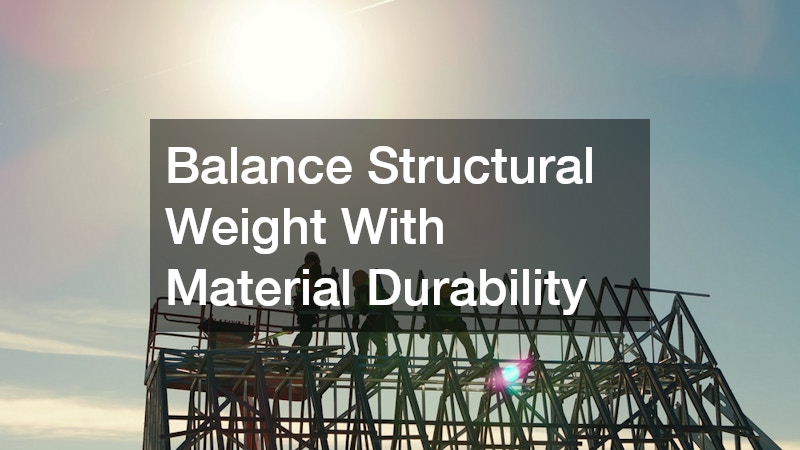
Balance Structural Weight With Material Durability
The physical weight of premium roofing materials is an often-overlooked factor that can derail a remodeling project before it even begins. Clay tiles, concrete tiles, and natural slate are incredibly durable and climate-resistant, but they are also immensely heavy, sometimes weighing up to three times more than standard asphalt shingles. Before ordering these heavy-duty materials, you must determine whether your home’s framing can handle the dead load.
Failing to verify structural capacity can lead to sagging roof lines, cracked interior drywall, and compromised structural integrity. To avoid these hazards, you should engage a structural engineer or a knowledgeable roofing contractor to inspect your rafters and trusses. If your home requires structural reinforcement to support slate or tile, look into advanced roof replacement services that offer lightweight synthetic alternatives, which mimic the beauty of heavy materials without the structural penalty.
Prioritize Fire Ratings in Arid Zones
In dry, wildfire-prone areas, your roof choice could mean the difference between losing your home and surviving a flying ember storm. Roofs are rated from Class A to Class C based on their fire resistance, with Class A offering the highest level of protection against severe external fire exposure. In high-risk zones, choosing a non-combustible material is often mandated by local building codes and insurance policies.
- Class A Materials: Metal panels, clay tiles, concrete tiles, and specialized asphalt shingles designed to resist flame spread.
- Combustible Materials: Untreated wood shakes hold a Class C rating or no rating at all, making them highly dangerous in arid zones.
- Assembly Requirements: Some materials require fire-resistant underlayments beneath them to achieve a true Class A system rating.
Working with expert roofers ensures that every element of your roof assembly—from the deck to the underlayment to the valleys—meets strict fire safety standards. Reputable roofing companies will never cut corners on fire-prone perimeters, making sure that eaves are boxed in and vents are screened with fine mesh to prevent embers from entering your attic space.
Align Aesthetics with Historical Neighborhood Guidelines
While climate performance should be your primary technical driver, your roof must also harmonize with your home’s architectural style and neighborhood identity. Installing an ultra-modern standing seam metal roof on a historic Victorian home or a Mediterranean-style villa can create a jarring visual mismatch that harms your property value. Many historic districts and Homeowners Associations (HOAs) maintain strict guidelines regarding acceptable colors, profiles, and materials.
Fortunately, modern manufacturing techniques allow you to get the best of both worlds through synthetic and composite materials. You can now find impact-resistant, Class A fire-rated composite shingles that perfectly replicate the texture of weathered cedar shakes or hand-split slate. Reviewing these aesthetic and regional constraints with trusted providers of roofing services helps you discover innovative roofing solutions that pass strict neighborhood boards while providing maximum environmental protection.

Interview Contractors With Deep Regional Expertise
The finest roofing material in the world will fail prematurely if it is installed incorrectly. Roofing is an intricate craft where a variance of a fraction of an inch in fastener placement can void a manufacturer’s warranty and lead to systemic leaks. To protect your investment, you must steer clear of fly-by-night operations and focus entirely on established local professionals who have spent years working in your specific climate zone.
When vetting potential companies, look for manufacturer certifications, such as GAF Master Elite or Owens Corning Platinum Preferred status, which indicate advanced training and financial stability. Ask tough questions about their installation practices regarding your climate’s specific challenges, such as how they handle ice dam protection or high-wind flashing details. Choosing local roofers who are backed by deep community roots and robust warranties ensures that you have a reliable partner to maintain, inspect, and service your roof throughout its entire operational life.
Selecting the perfect roofing material for your climate is one of the most critical decisions you will make as a property owner. By looking closely at your region’s unique weather vulnerabilities—whether that means scorching summer heat, heavy winter snows, high coastal winds, or persistent humidity—you can move past generic marketing claims and select a material engineered to endure. Balancing this environmental performance against structural weight, fire safety, neighborhood aesthetics, and long-term costs ensures a holistic choice that protects your family and your finances.
Take your time during this evaluation phase, gather multiple professional perspectives, and inspect physical material samples in natural daylight. A roof is a shield, a major architectural feature, and a long-term financial commitment all wrapped into one. By matching the right material to your specific climate and combining it with meticulous, certified installation, you ensure that your home remains safe, efficient, and beautiful for decades to come.