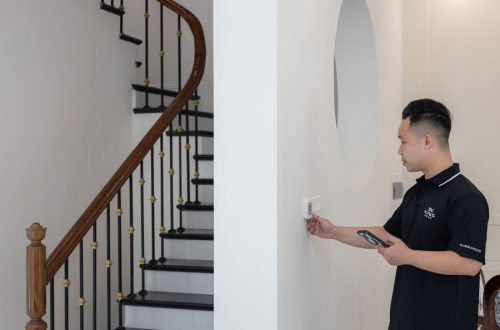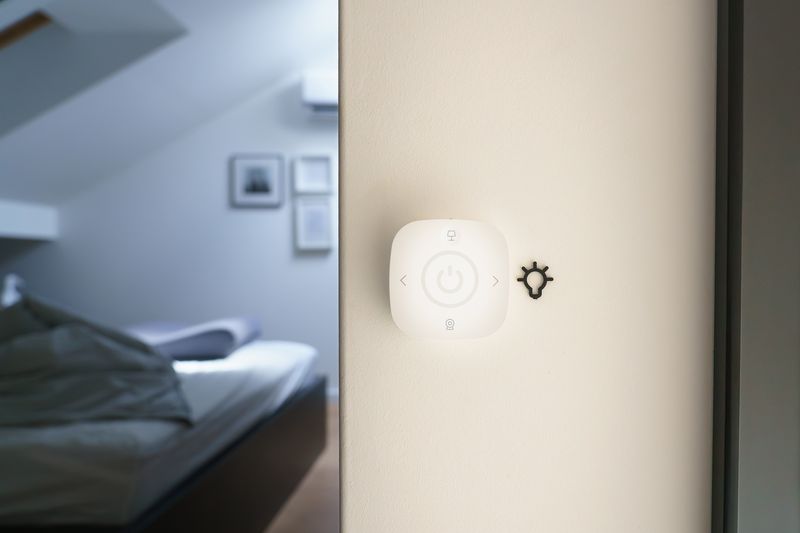
Renovations are rare, expensive, and disruptive. That is exactly why they are the smartest time to think several moves ahead. When walls are already open, when flooring is pulled up, and when electrical panels are exposed, the cost of adding modern wiring, sensors, and control hubs drops dramatically compared to retrofitting the same features into a finished home later. Homeowners who plan ahead during a remodel often save thousands over the lifetime of the house.
The problem is that most people treat technology as an afterthought. They pick the countertop, the paint, the cabinet handles, and only then wonder whether the lights should be dimmable from a phone. By that point, the drywall is back up, and the easy install window has closed. Thinking about automation at the design stage, not the decorating stage, changes the entire outcome.
There is also a cultural shift happening. Connected devices are no longer a novelty reserved for tech enthusiasts. They have moved into the mainstream of home improvement, and buyers increasingly expect to see them in listings. A renovation that ignores this trend risks feeling dated the moment it is finished.
How Big Has Smart Home Adoption Really Become?

The numbers tell a striking story. According to Market.us and the ASHB Smart Home Technology Trends Survey, household adoption climbed from 49% in 2024 to 59% in 2025, a ten-point jump in a single year. That is not a slow creep. That is a market moving fast enough to reshape what buyers and appraisers consider standard equipment in a modern home.
The United States sits near the front of this trend globally. Data from Statista shows that U.S. smart home penetration has reached close to 90 percent, edging ahead of the United Kingdom at 87.8 percent and Germany at 81.4 percent. When nearly nine in ten households already interact with some form of connected device, skipping automation during a renovation is no longer a neutral choice. It is a decision to build something that feels behind the times on day one.
This context matters because renovations are long-term bets. A kitchen you remodel today should still feel current in ten years. Wiring for connectivity, planning for hubs, and leaving pathways for future devices is how you make sure that bet pays off.
What Should You Plan For Before the Drywall Goes Up?
The single biggest mistake homeowners make is assuming that wireless means wire-free. In reality, every smart device needs power, and many perform far better on a hardwired network connection than on crowded Wi-Fi. Before insulation and drywall go back in, you have a one-time chance to run cable to the places you will want it later.
Here are the pre-drywall items worth planning for during any serious remodel:
- Cat6 or Cat6a Ethernet drops to ceilings for access points, to behind televisions, and to key cameras
- Neutral wires at every switch box so smart switches can be installed without workarounds
- Conduit runs between the basement and attic to allow future cable pulls without opening walls
- In-wall low-voltage boxes near entry points for future keypads or intercoms
- Dedicated circuits for EV charging, heat pumps, and induction cooking
- Reinforced blocking in ceilings and walls for mounting panels, speakers, or displays
None of these are glamorous. None of them show up in a staged photo. But together they create the skeleton that every future upgrade will hang from, and they cost very little when done during open-wall construction.
Thinking in Layers, Not Devices
A useful mental model is to stop thinking about individual gadgets and start thinking in layers. The bottom layer is infrastructure: wiring, power, and network. The middle layer is control: hubs, switches, and sensors. The top layer is the devices themselves, which will change every few years as technology evolves. If your infrastructure layer is solid, you can swap the top layer endlessly without tearing anything open. That is what future-proofing actually means in practice.
Which Rooms Deliver the Biggest Automation Payoff?
Not every room benefits equally from connected technology. Some spaces offer a clear return on both comfort and utility bills, while others are mostly cosmetic upgrades. Prioritizing the high-impact rooms helps your renovation budget stretch further.
The kitchen and the main living area usually top the list. These are high-traffic spaces where lighting scenes, smart appliances, and voice control get used daily. Bathrooms benefit from humidity-triggered ventilation, heated floors on schedules, and leak detection under sinks. Bedrooms gain from automated shades that match wake times and from thermostats that adjust overnight. Garages and utility rooms deserve attention too, since that is where water heaters, HVAC equipment, and EV chargers live.
Heating and cooling deserve special mention because the savings are documented. According to ENERGY STAR data referenced in industry reporting, smart thermostats can trim $50 to $145 per year off heating and cooling bills. That may sound modest, but spread across a fifteen-year equipment lifespan, it comfortably pays for the device several times over and quietly reduces energy use at the same time.
Where Occupants Actually Spend Time
The honest test for any automation decision is whether it serves the people living there. A fridge that tweets is a gimmick. A hallway light that fades up gently at 2 a.m. so no one is blinded on the way to the bathroom is a genuine daily comfort. Focus the budget on friction points you actually experience, and the technology stops feeling like decoration and starts feeling like design.
Practical Remodel Tips for Integrating Automation Without the Headaches
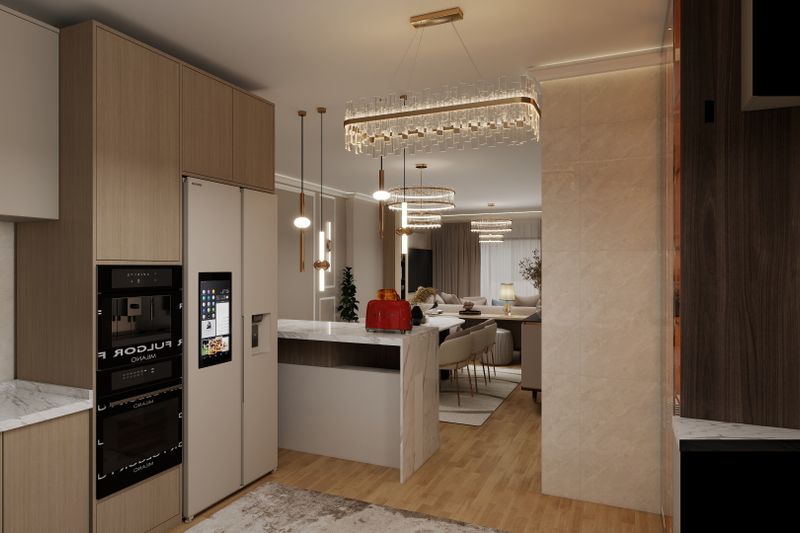
Even with good intentions, automation projects go sideways when homeowners try to bolt everything on at the end. These Remodel Tips focus on the planning habits that separate smooth projects from frustrating ones, and they apply whether you are redoing a single bathroom or gutting an entire floor.
Start by picking an ecosystem before you pick products. Matter, Apple Home, Google Home, and Amazon Alexa all behave differently, and mixing them without a plan creates a patchwork that no one in the household wants to use. Once the platform is chosen, every switch, sensor, lock, and thermostat can be selected for compatibility rather than discovered to be incompatible after installation.
A few ground rules that experienced integrators follow:
- Choose devices that work locally so the house still functions when the internet is down
- Favor in-wall switches over smart bulbs for anything controlled by a wall switch
- Standardize on one or two brands of sensors to simplify spare parts and batteries
- Document every device location, model number, and firmware on a single shared sheet
- Leave at least 20 percent of panel capacity and network ports unused for future growth
One of the clearest overviews of how connected thermostats and lighting actually translate into day-to-day savings and comfort is available in this breakdown of smart thermostats and lighting advantages, which is worth reviewing before finalizing fixture selections. Understanding the benefits of smart home automation at the planning stage, rather than the purchasing stage, leads to cleaner installations and fewer regretted choices.
Does This Actually Add Resale Value?
Resale is where theory meets the appraiser, and the answer is increasingly yes, provided the work is done well. Buyers walking through a renovated home now notice connected thermostats, video doorbells, keyless entry, and app-controlled lighting the same way they once noticed granite counters or stainless appliances. These features have crossed the line from novelty to expectation, especially in the price tiers most affected by younger buyers.
That said, not all automation reads as valuable to a prospective owner. A house crammed with proprietary gadgets tied to a previous homeowner’s accounts can actually scare buyers off. The sweet spot is infrastructure plus a few polished, platform-neutral devices that transfer easily. A well-wired house with a clean network closet, labeled runs, and standard switches signals quality in a way that a drawer full of orphaned remotes never will.
Appraisers are also catching up. While connected devices rarely get a direct line item on an appraisal, they contribute to the overall condition and modernization score that drives value. A renovation that includes thoughtful wiring, energy-efficient controls, and documented systems tends to appraise at the top of its comparable range rather than the middle.
What Transfers Cleanly and What Does Not
When it comes time to sell, some elements of a connected home move with the house naturally while others create friction. Knowing the difference helps you choose wisely during the renovation itself.
- Transfers well: in-wall switches, hardwired cameras, structured wiring, smart panels, thermostats tied to the HVAC
- Transfers poorly: cloud accounts, voice assistant routines, subscription-locked features, devices paired to a personal phone
- Gray area: video doorbells, smart locks, and garage controllers, which usually need a factory reset and fresh setup
The practical lesson is to lean your budget toward things bolted to the house and away from things that live mostly in an app.
How Do You Budget for Technology Inside a Larger Renovation?
Technology budgeting is where many projects lose discipline. It is easy to approve a $60,000 kitchen without blinking and then balk at a $400 smart switch, even though the switch will be used hundreds of times a week. Reframing the math helps. Automation generally lands between 2 and 5 percent of a renovation budget when planned from the start, and closer to 8 or 10 percent when bolted on later because of rework.
A reasonable way to divide the technology allocation looks like this:
- Roughly 40 percent to infrastructure: wiring, network gear, panels, and conduit
- Roughly 30 percent to controls: switches, sensors, thermostats, and hubs
- Roughly 20 percent to visible devices: cameras, locks, displays, and speakers
- Roughly 10 percent reserved as contingency for firmware, accessories, and surprises
Keeping the infrastructure share high is the move that pays off longest. Devices will be replaced. Wires in the wall will not.
Phasing the Work Over Time
Not every household can fund the full vision in one pass, and that is fine. The key is to install the infrastructure during the open-wall phase even if the devices come later. Pulling cable costs almost nothing once the crew is already on site. Pulling the same cable through a finished wall two years later can cost ten times as much and leave patch marks behind. Buy the wiring now, buy the gadgets on your own schedule.
Conclusion
Renovations are one of the few moments in a home’s life when the bones are exposed, and the decisions you make will quietly shape the next decade of how the house functions. Treating technology as part of the structural plan, rather than a shopping trip at the end, is what separates a remodel that ages gracefully from one that feels dated before the paint fully cures. The wiring, the panel capacity, the conduit runs, and the ecosystem choice are the parts that matter most, and they are also the parts that are almost impossible to add later without tearing things apart again.
The homeowners who get this right are not necessarily the ones who spend the most on gadgets. They are the ones who think in layers, who prioritize the rooms where automation pays back daily, and who leave room in the panel, the network, and the budget for whatever comes next. That mindset turns a renovation from a one-time refresh into a platform that keeps rewarding you year after year.
If you are standing at the start of a project right now, the single most useful thing you can do is pause before the walls close up and ask what the house should be able to do in five, ten, and fifteen years. Answer that honestly, run the cable, pick the ecosystem, and let the devices follow. The house you finish will be ready for a future that is already arriving faster than most renovation plans assume.