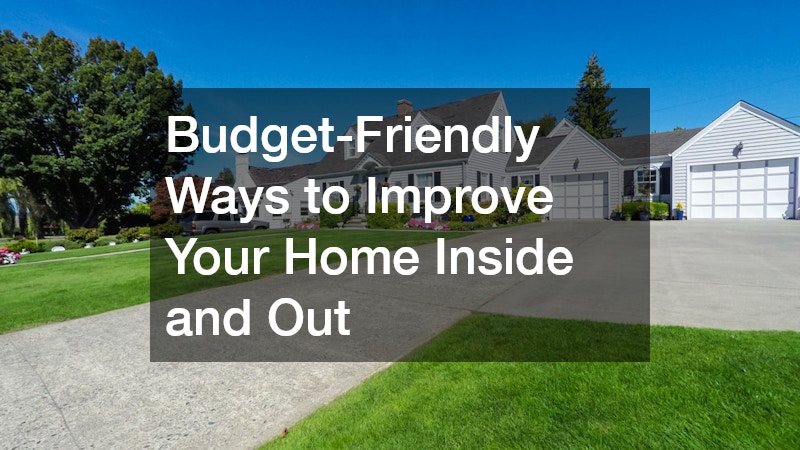
Improving a home doesn’t always require a large renovation budget or major construction work. In many cases, the most impactful changes come from small, intentional upgrades that improve comfort, efficiency, safety, and overall livability. Homeowners often assume that meaningful improvements require full replacements or complete remodels, but that’s rarely the case.
With a smart approach, it’s possible to enhance both the interior and exterior of a home while keeping costs manageable. The key is prioritizing projects that prevent long-term damage, reduce utility expenses, and improve day-to-day functionality. Whether it’s updating outdated systems, improving curb appeal, or making energy use more efficient, budget-friendly improvements can significantly increase a home’s value and comfort over time.
Strengthening Your Home’s Exterior Curb Appeal on a Budget
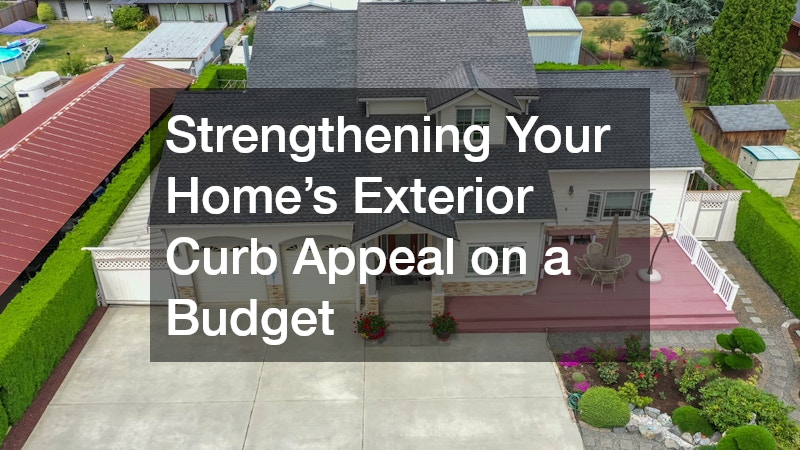
Small exterior upgrades can dramatically change how a home looks and feels without requiring a full renovation. One of the most overlooked areas is the driveway and entry paths. Cracks, uneven surfaces, and faded materials can make even a well-maintained home appear neglected. Even if the rest of the property is in good shape, these front-facing details heavily influence first impressions and overall property value.
Working with a paving contractor for minor resurfacing or patchwork repairs can extend the life of your driveway without the cost of full replacement. In many cases, sealing and leveling can restore a clean, polished appearance. Sealing not only improves aesthetics but also helps protect against future water damage, freeze-thaw cycles, and general wear from vehicle traffic. Small fixes done early are significantly more cost-effective than waiting until full reconstruction becomes necessary.
Landscaping also plays a major role in curb appeal. You don’t need a complete redesign to see results. Strategic, low-cost adjustments can make a yard look intentionally designed rather than randomly maintained.
Affordable improvements include:
- Adding fresh mulch around trees and garden beds to create contrast and reduce weed growth
- Trimming overgrown shrubs and hedges to open sightlines and improve symmetry
- Planting low-maintenance native plants that thrive in local conditions with minimal watering
- Installing simple edging along walkways to clearly define spaces and improve structure
- Keeping lawns consistently maintained through regular mowing, watering, and seasonal fertilizing
Beyond these basics, small decorative touches can elevate the entire exterior. Updating house numbers, refreshing porch lighting, or adding potted plants near entryways can create a more welcoming appearance without high cost. Even repainting a front door or cleaning exterior surfaces like siding and steps can dramatically improve visual appeal.
A landscaping contractor can also help identify low-cost improvements that maximize visual impact while minimizing upkeep. They can recommend plant groupings that provide year-round color, suggest drainage-friendly layouts to prevent future yard issues, and help phase improvements over time so homeowners can spread out costs while still seeing steady progress.
Roof and Structural Protection Without Overspending
Your roof is one of the most important protective systems in your home, yet it’s often ignored until problems become serious. Small issues like missing shingles, minor leaks, or poor ventilation can quickly escalate into expensive repairs. What makes roof issues particularly challenging is that damage often begins invisibly, with moisture intrusion or weakened underlayment that only becomes noticeable once interior problems appear. Regular attention can prevent these hidden issues from turning into major structural failures.
A roofer can inspect and address early signs of damage, often preventing the need for full roof replacement. Simple repairs, sealing, and reinforcement can significantly extend the roof’s lifespan. Routine inspections after storms or seasonal changes are especially valuable, as high winds, ice, and heavy rain can create vulnerabilities that are not always visible from the ground. Even small fixes like replacing a few shingles or resealing flashing around vents and chimneys can make a significant difference in long-term durability.
Another key factor in home protection is insulation. Proper insulation reduces strain on the home’s structure by controlling temperature and moisture levels. When insulation is inadequate, winter heat loss and summer heat gain force HVAC systems to work harder, which can indirectly stress roofing materials due to temperature fluctuations.
Budget-friendly insulation improvements include:
- Adding attic insulation layers to reduce heat transfer and improve energy efficiency
- Sealing gaps around vents and ducts to prevent conditioned air from escaping
- Improving ventilation to reduce heat buildup and moisture accumulation in attic spaces
- Inspecting crawl spaces for air leaks that may contribute to uneven indoor temperatures
An insulation contractor can help identify the most cost-effective areas to upgrade first, ensuring you get the highest return on investment. They can also evaluate whether existing insulation has settled or degraded over time, which is common in older homes. In many cases, targeted improvements in just one or two key areas can dramatically improve both comfort and structural longevity without requiring a full-system overhaul.
Energy Efficiency Improvements That Lower Monthly Bills
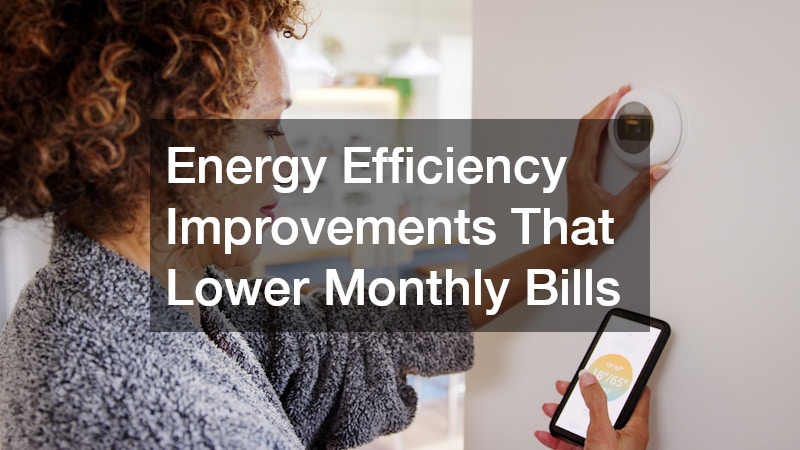
Reducing energy waste is one of the most effective ways to improve a home on a budget. Heating and cooling systems are often responsible for the largest portion of utility bills, and small adjustments can make a noticeable difference. In many homes, inefficiencies build up gradually over time, meaning homeowners often don’t realize how much energy is being lost until they compare seasonal bills or experience uneven indoor temperatures.
Routine maintenance from HVAC contractors ensures your system runs efficiently and avoids unnecessary strain. Dirty filters, clogged ducts, and outdated thermostats can all contribute to higher energy use. When systems are forced to work harder than necessary, they not only consume more energy but also wear out faster, leading to more frequent repairs or early replacement costs.
Beyond professional servicing, homeowners can take several practical steps to improve efficiency without major investment. Small behavioral and maintenance changes often produce immediate savings, especially when combined consistently throughout the home.
Simple improvements include:
- Replace air filters every 1–3 months to maintain airflow and system efficiency
- Installing a programmable thermostat to automatically adjust temperatures based on daily schedules
- Sealing window and door drafts using weatherstripping or caulk to prevent heat loss or gain
- Closing unused vents in low-traffic rooms to better direct airflow where it’s needed most
- Scheduling seasonal system tune-ups to ensure peak performance before extreme weather seasons
Additional improvements, such as strategically using ceiling fans, keeping blinds closed during peak sunlight hours, and ensuring furniture does not block vents, can further enhance efficiency without additional cost.
Combining HVAC efficiency improvements with better insulation creates a more stable indoor environment and reduces overall energy consumption. When warm or cool air is properly retained inside the home, the system does not need to cycle as frequently, which lowers both energy bills and long-term maintenance needs. Over time, these combined efforts create a more predictable and comfortable living environment while significantly reducing monthly utility expenses.
Affordable Interior System Repairs and Upgrades
Many homeowners overlook small electrical and plumbing issues until they become emergencies. However, addressing them early is far more cost-effective and prevents damage to other parts of the home. What starts as a minor inconvenience, such as a flickering light or a slow drip under a sink, can gradually escalate into major repairs that affect walls, flooring, or even structural components if left unchecked.
An electrician can help identify outdated wiring, overloaded circuits, or inefficient lighting systems that may be increasing energy costs or posing safety risks. Older electrical systems may not be equipped to handle modern appliance loads, leading to frequent breaker trips or potential fire hazards. Upgrading components in stages is often more budget-friendly than a full system replacement and allows homeowners to prioritize the most urgent concerns first.
A plumber can resolve minor leaks and inefficiencies before they lead to water damage or mold growth. Even small leaks can waste significant amounts of water over time and contribute to hidden moisture problems behind walls or under flooring. Early detection and repair help avoid costly remediation and preserve indoor air quality.
Practical upgrades include:
- Replacing outdated outlets and switches to improve safety and functionality
- Installing LED lighting throughout the home to reduce long-term energy consumption
- Fixing dripping faucets and running toilets to prevent water waste and utility bill increases
- Replacing old showerheads with efficient models that maintain pressure while reducing water use
- Insulating exposed pipes to prevent heat loss and reduce the risk of freezing in colder months
Additional small improvements, such as labeling electrical panels for easier maintenance or installing simple leak detection devices under sinks and appliances, can further reduce risk and improve overall home management.
Preventative maintenance in these areas not only saves money but also improves long-term home safety. Over time, these small investments help create a more efficient, reliable, and stress-free living environment while reducing the likelihood of unexpected emergency repairs.
Kitchen Improvements That Deliver High Impact on a Budget
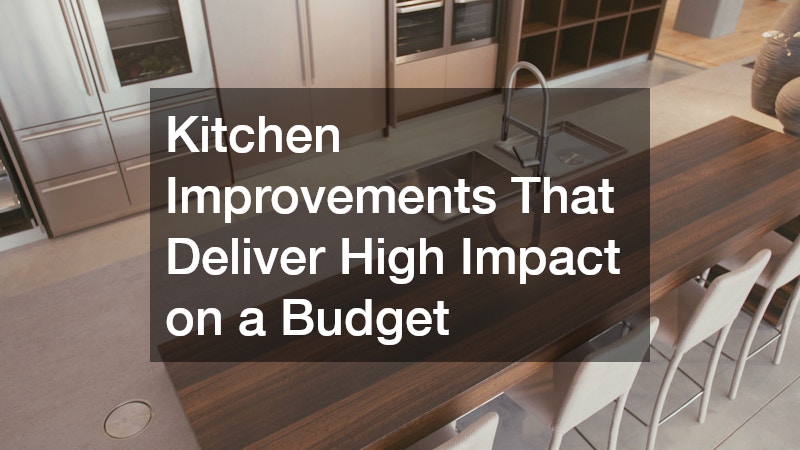
The kitchen is often the most-used space in a home, and even small improvements can have a big impact on both functionality and aesthetics. A full remodel isn’t necessary to achieve a modern, updated look.
A kitchen remodeler can help identify cost-effective upgrades, such as cabinet refacing rather than full replacement, which drastically reduce costs while refreshing the space.
Working with a plumber during kitchen upgrades ensures that sinks, fixtures, and water lines are efficient and up to date.
Budget-friendly kitchen improvements:
- Painting or refacing cabinets
- Updating cabinet hardware
- Installing a new backsplash
- Replacing old faucets with modern fixtures
- Upgrading lighting above work areas
These changes improve both appearance and usability without requiring a full renovation.
Protecting and Improving Your Home’s Exterior Boundaries
Fencing plays an important role in privacy, security, and curb appeal, but it doesn’t always need to be replaced when damage occurs. In many cases, targeted repairs are enough to restore function and appearance.
A fence contractor can replace broken panels, reinforce posts, or treat materials to extend their lifespan, rather than recommending a full replacement.
Landscaping can also enhance fencing by creating a more cohesive outdoor environment.
Cost-effective improvements include:
- Repairing damaged fence sections
- Repainting or staining existing fences
- Adding climbing plants or hedges for privacy
- Aligning garden beds along fence lines
- Reinforcing weak posts before failure occurs
Combining structural repairs with natural enhancements can create a polished, functional outdoor space on a budget.
Preventing Costly Damage Through Early Repairs
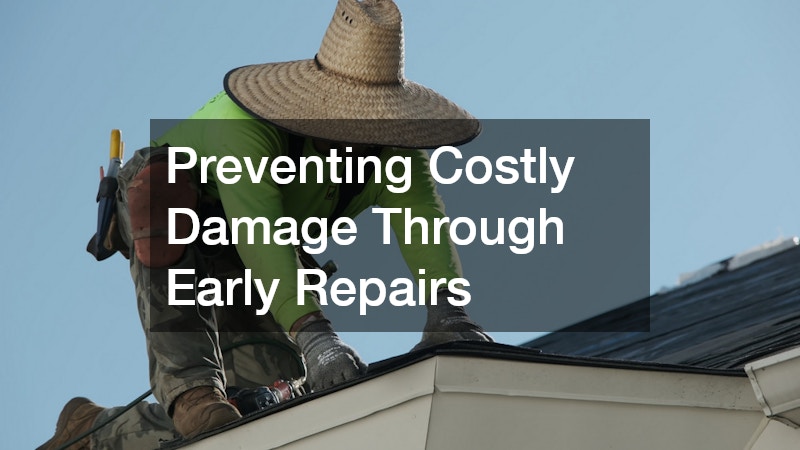
Water damage is one of the most expensive issues homeowners face, and it often begins with small, unnoticed problems. Addressing these early can save thousands in repair costs.
A roofer can identify vulnerabilities in roofing systems that may allow water intrusion during storms. Even small leaks can lead to structural damage if left untreated.
If damage occurs, a restoration service is essential to returning the home to safe, livable conditions. Acting quickly reduces the spread of moisture, mold, and structural deterioration.
Preventative steps include:
- Regular roof inspections after storms
- Checking ceilings for early water stains
- Cleaning gutters and downspouts
- Ensuring proper drainage around the home
- Fixing leaks immediately, no matter how small
Early intervention is always more affordable than full restoration.
Smart Electrical and Plumbing Efficiency Upgrades
Upgrading electrical and plumbing systems doesn’t always require major renovations. Small improvements can increase efficiency and reduce monthly expenses.
An electrician can install energy-efficient lighting and modernize outdated systems that may be consuming excess power.
A plumber can help reduce water usage by installing updated fixtures and improving flow control.
Helpful upgrades include:
- Installing motion-sensor lighting in key areas
- Replacing incandescent bulbs with LEDs
- Adding low-flow faucets and showerheads
- Installing water-efficient toilets
- Upgrading older electrical panels if needed
These improvements not only reduce utility bills but also improve overall home performance.
Improving Comfort Through Smart Climate Control Upgrades
Comfort inside the home is closely tied to temperature control and air quality. Many inefficiencies come from outdated systems or poor insulation.
HVAC contractors can help optimize heating and cooling systems through zoning, maintenance, and system upgrades that reduce wasted energy.
Insulation also plays a major role in maintaining consistent indoor temperatures.
Practical improvements include:
- Sealing air leaks around windows and doors
- Adding insulation to attics and basements
- Using smart thermostats for better control
- Cleaning air ducts to improve airflow
- Balancing airflow across different rooms
Together, these upgrades create a more comfortable and efficient living environment year-round.
Cost-Effective Outdoor Living Enhancements
Outdoor spaces offer a great opportunity for affordable home improvement that enhances both lifestyle and property value. Even small additions can make yards more functional and enjoyable.
A paving contractor can improve walkways, patios, or driveways by resurfacing or repairing them instead of full replacement. This allows homeowners to refresh outdoor areas without major costs.
A fence contractor can also help define outdoor spaces, improving privacy and structure without requiring extensive redesign.
Affordable outdoor upgrades include:
- Creating simple seating areas with gravel or pavers
- Repairing cracked walkways instead of replacing them
- Adding outdoor lighting for safety and ambiance
- Defining garden zones with borders or edging
- Using durable materials that require low maintenance
Phased improvements allow homeowners to spread out costs while steadily enhancing outdoor living spaces.
Home improvement doesn’t have to mean expensive renovations or overwhelming projects. By focusing on small, strategic upgrades across both interior and exterior systems, homeowners can significantly improve comfort, efficiency, and long-term property value.
Prioritizing maintenance, addressing issues early, and choosing cost-effective improvements ensures that every dollar spent contributes to a stronger, more functional home. Over time, these incremental changes build into a complete transformation that enhances both daily living and long-term investment value.