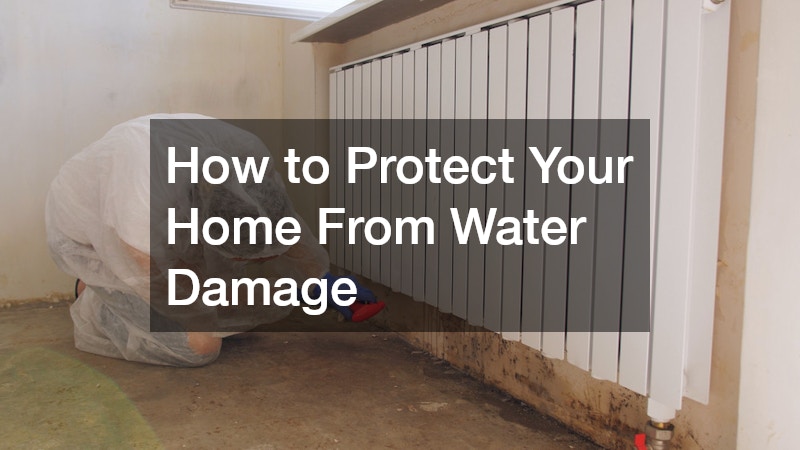
Water damage rarely begins with a dramatic flood. More often, it starts quietly—a slow drip under a sink, a clogged drain backing up, or rainwater slipping through a worn seal. Left unchecked, these small issues can lead to structural damage, mold growth, and expensive repairs that disrupt daily life.
Protecting your home from water damage is less about reacting to emergencies and more about building habits that prevent them. With the right approach, you can catch problems early, extend the life of your home’s systems, and avoid unnecessary stress.
Maintaining Plumbing Systems Before Problems Escalate

Water damage often begins where you can’t easily see it. Pipes behind walls, under floors, and beneath cabinets can develop small leaks that go unnoticed for months. By the time signs appear—like warped flooring or musty smells—the damage is already significant.
A proactive approach starts with awareness. Take time every few months to check:
- Under sinks for moisture or corrosion
- Around toilets for soft flooring or leaks
- Behind appliances like washing machines and dishwashers
Even something as simple as a slow-draining sink can signal a larger issue. Many homeowners rely on basic drain cleaners to manage buildup, which can help in mild cases, but recurring clogs usually point to deeper problems.
This is where professional plumbing services become valuable. A trained technician can identify weak points in your system, replace aging components, and ensure everything is functioning as it should. Regular maintenance may feel like an extra step, but it’s far less costly than repairing water damage after the fact.
Keeping Drains Clear to Prevent Backups and Overflows
Clogged drains are more than an inconvenience—they’re one of the most common causes of indoor water damage. When water has nowhere to go, it finds its way out, often through the lowest or weakest point in your home.
Instead of waiting for a full blockage, it helps to think of drain care as an ongoing process. Grease, soap residue, hair, and debris accumulate gradually, narrowing pipes over time.
A practical approach includes:
- Avoiding grease disposal down kitchen sinks
- Using drain covers to catch hair and debris
- Flushing drains periodically with hot water
For deeper cleaning, professional methods like drain jetting can remove stubborn buildup that household solutions can’t reach. This process uses high-pressure water to clear pipes thoroughly, restoring proper flow.
In cases where tree roots or severe blockages are involved, rooter services may be necessary. These services go beyond surface-level fixes, addressing the underlying cause so the issue doesn’t return.
Strengthening Roofs and Windows Against Water Intrusion
Your home’s exterior is its first line of defense against water, yet it’s often overlooked until a problem becomes visible. Roof leaks and poorly sealed windows can allow water to seep in gradually, damaging insulation, drywall, and framing.
Consider the roof after a heavy storm. Even if everything looks intact from the ground, small vulnerabilities—like loose flashing or worn seams—can let moisture in. Working with a qualified metal roofer can provide a more durable solution, especially in areas prone to severe weather.
Windows are another common entry point. Over time, seals degrade, frames shift, and tiny gaps form. These gaps may not seem significant, but they allow rainwater and humidity to penetrate your home. When repairs are no longer sufficient, window replacement becomes a practical investment in both protection and energy efficiency.
A simple habit like visually inspecting your roofline and window edges twice a year can make a meaningful difference.
Managing Outdoor Water Flow Around the Property

Water damage doesn’t always start inside. In many cases, it begins in the yard and works its way toward your foundation.
Imagine a heavy rainstorm where water pools near your home instead of draining away. Over time, that repeated exposure can weaken your foundation, seep into basements, and create long-term moisture problems.
Proper outdoor management starts with your sprinkler system. If it’s misaligned or overwatering certain areas, it can saturate the soil unnecessarily. Adjusting spray patterns and timing helps prevent excess moisture from accumulating near your home.
Professional irrigation services can fine-tune your system to match your landscape’s needs. They can also identify issues like broken heads or uneven distribution that contribute to water buildup.
Beyond irrigation, consider the slope of your yard. Water should always flow away from your home, not toward it. Small grading adjustments can have a big impact on preventing future damage.
Reinforcing Garage and Entry Points Against Leaks
Garages and entryways are often overlooked when it comes to water protection, yet they are among the most vulnerable areas. These spaces sit at ground level, making them more susceptible to water intrusion during heavy rain.
Picture water pooling just outside your garage door. If the seal at the bottom is worn or uneven, that water can easily seep inside. Over time, this can damage flooring, stored belongings, and even the structure itself.
Addressing this risk involves a few targeted actions:
- Replace worn weather stripping
- Ensure the ground slopes away from entry points
- Check for gaps along door frames
If your garage door isn’t closing properly or has visible damage, garage door repairs can help restore a tight seal. Even minor adjustments can significantly reduce the chance of water entering your home.
Preventing Moisture Buildup From Heating Systems
Water damage isn’t always caused by external sources. Sometimes, it originates from within your home due to condensation and humidity issues.
Heating systems, especially older ones, can contribute to this problem. When a system isn’t functioning efficiently, it may produce excess moisture or fail to regulate indoor humidity levels properly.
For example, a malfunctioning unit might create condensation that collects around vents or pipes. Over time, this moisture can lead to mold growth or damage to surrounding materials.
Scheduling routine heater repair ensures your system operates efficiently and safely. It also helps identify issues like clogged drainage lines or failing components before they cause larger problems.
Maintaining balanced humidity levels—typically between 30% and 50%—is another key factor in preventing internal moisture damage.
Installing Early Detection Systems for Water Issues
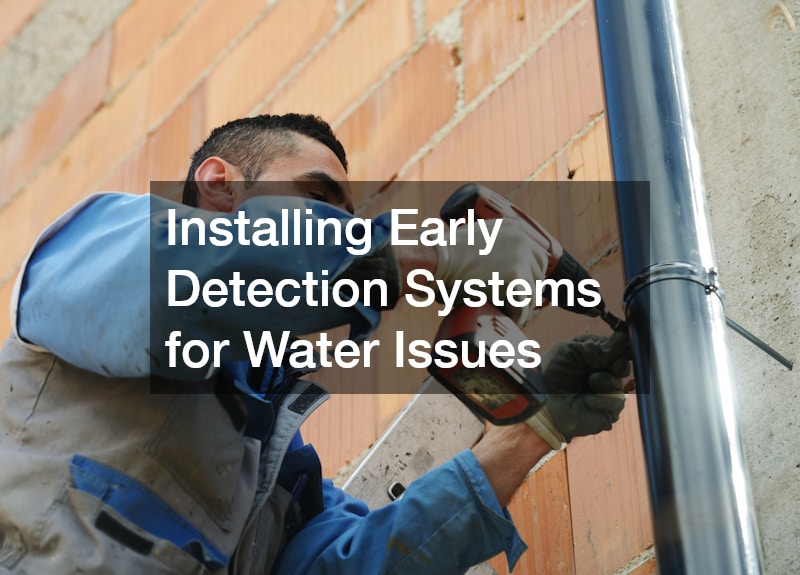
One of the most effective ways to protect your home is to catch problems before they escalate. Technology has made this easier than ever.
Water leak detectors can be placed in high-risk areas such as:
- Under sinks
- Near water heaters
- Behind appliances
These devices alert you immediately when moisture is detected, allowing you to act quickly. Some systems even connect to your smartphone, providing real-time updates no matter where you are.
For added protection, consider installing a smart shut-off valve. This device can automatically stop water flow when a leak is detected, preventing extensive damage.
While these systems require an upfront investment, they offer peace of mind and can save thousands of dollars in potential repairs.
Sealing Vulnerable Areas to Block Water Entry
Even well-maintained homes have small vulnerabilities where water can enter. The key is identifying and sealing these areas before they become problems.
Start with a careful walkthrough of your home, both inside and out. Look for:
- Cracks in the foundation
- Gaps around pipes and vents
- Worn caulking around windows and doors
Sealing these areas with appropriate materials—such as waterproof caulk or sealant—creates a barrier against moisture.
Basements and crawl spaces deserve special attention. These areas are naturally prone to dampness, making them ideal candidates for waterproofing solutions like vapor barriers or sump pumps.
This type of work may not be visible once completed, but its impact is long-lasting.
Building a Seasonal Routine for Year-Round Protection
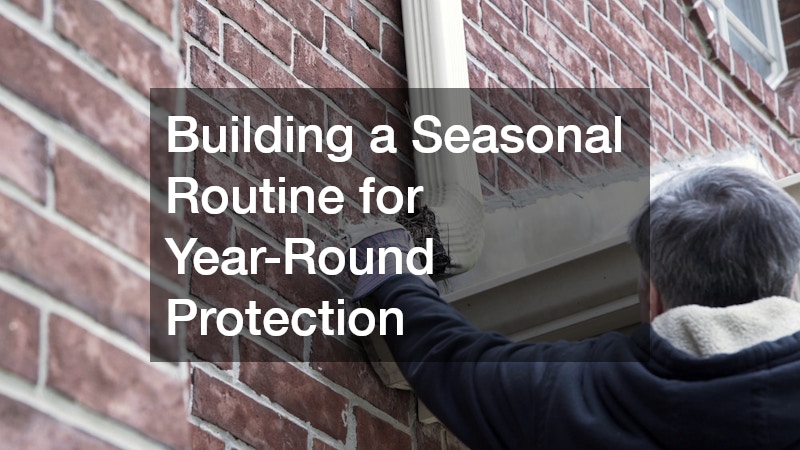
Protecting your home from water damage isn’t a one-time effort. It’s an ongoing process that changes with the seasons.
Rather than trying to remember everything at once, it helps to break maintenance tasks into manageable intervals throughout the year.
Creating a Simple Seasonal Maintenance Mindset
Many homeowners fall into the trap of reacting only when something goes wrong. A seasonal routine flips that mindset. Instead of waiting for visible damage, you’re anticipating where problems are most likely to occur based on weather patterns and environmental changes.
Think of your home as a system that responds to its surroundings. Rain, heat, humidity, and cold all affect different parts of the structure. By aligning your maintenance habits with these shifts, you reduce the chances of being caught off guard.
A practical way to stay consistent is to tie maintenance tasks to familiar seasonal events—daylight savings time, the start of hurricane season, or the first cold snap. This makes the routine easier to remember without needing a strict schedule.
Focusing on Drainage and Cleanup During Spring
Spring is when many hidden issues reveal themselves. Melting snow (in colder regions), increased rainfall, and new plant growth can all affect how water moves around your property.
Start by clearing gutters and downspouts thoroughly. Even a small blockage can cause water to overflow and run down your siding or pool near your foundation. While you’re at it, check that downspouts extend far enough away from your home.
It’s also a good time to walk your yard after a rainstorm. Notice where water collects or flows. If you see pooling near your home, that’s a sign your grading or drainage needs adjustment.
Inside, look for any signs of leaks that may have developed over winter. Pay close attention to basements, crawl spaces, and areas near exterior walls.
Inspecting Exterior Surfaces and Seals During Summer
Summer provides the best conditions for exterior inspections and repairs. Dry weather makes it easier to spot cracks, gaps, and wear without interference from rain.
Take advantage of longer daylight hours to check:
- Roof shingles or panels for damage
- Window seals for cracks or gaps
- Exterior walls for signs of moisture intrusion
After summer storms, do a quick follow-up inspection. Wind-driven rain can expose weak points you might not otherwise notice.
This is also a good time to reseal areas around windows and doors if needed. Materials tend to adhere better in warm, dry conditions, making repairs more effective and longer-lasting.
Preparing for Heavy Rain and Debris in Fall
Fall is all about preparation. Leaves, debris, and seasonal storms can quickly undo the work you’ve done earlier in the year if left unmanaged.
Gutter maintenance becomes especially important during this time. Even if you cleaned them in spring, they can fill up again quickly. Keeping them clear ensures water flows properly away from your home.
You should also inspect your roof again before winter arrives. Look for any areas that might allow water to seep in during heavy rain or snow.
Another often-overlooked step is checking seals around doors and windows. As temperatures drop, materials contract slightly, which can create small gaps that let moisture in.
Protecting Pipes and Preventing Ice Issues in Winter
Winter introduces a completely different set of challenges. Freezing temperatures can cause water inside pipes to expand, leading to cracks or bursts that result in significant damage.
To reduce this risk:
- Insulate exposed pipes in unheated areas
- Keep indoor temperatures consistent
- Allow faucets to drip slightly during extreme cold
Ice buildup on roofs, known as ice dams, can also force water under shingles and into your home. Proper insulation and ventilation in your attic can help prevent this.
Even during colder months, it’s worth doing occasional checks in vulnerable areas like basements and utility rooms. Catching a small issue early in winter can prevent a much larger problem later.
Turning Small Habits Into Long-Term Protection
What makes a seasonal routine effective isn’t complexity—it’s consistency. Each task on its own may seem minor, but together they create a strong defense against water damage.
Over time, these checks become second nature. You begin to notice subtle changes in your home more quickly, making it easier to address issues before they escalate.
By aligning tasks with the seasons, maintenance becomes more intuitive and less overwhelming. Over time, these small, consistent efforts add up to significant protection.
Recognizing Early Warning Signs Before Damage Spreads
Water damage often leaves clues before it becomes severe. Learning to recognize these signs can help you intervene early.
Some of the most common indicators include:
- Musty or damp odors
- Discoloration on walls or ceilings
- Warped or bubbling paint
- Unexpected increases in water bills
These signs may seem minor at first, but they often point to hidden issues that require attention. Acting quickly can prevent further damage and reduce repair costs.
It’s also important to trust your instincts. If something feels off—like a persistent smell or unusual moisture—it’s worth investigating further.
Taking a Proactive Approach to Long-Term Protection
Protecting your home from water damage is ultimately about consistency. Small actions—checking for leaks, maintaining systems, and addressing issues early—create a strong defense over time.
Instead of waiting for something to go wrong, approach home care with the mindset of prevention. Regular attention to both interior systems and exterior conditions ensures that water stays where it belongs.
A well-maintained home doesn’t just avoid damage—it provides peace of mind. And in the long run, that’s one of the most valuable investments you can make.