A full home remodel presents a rare opportunity to recreate the spaces you live in every day, transforming outdated rooms and worn materials into a home that feels new, cohesive, and aligned with your lifestyle. Unlike smaller, isolated renovation projects, a complete remodel gives you the advantage of approaching your interior and exterior as a unified whole. This means your lighting can match your flooring choices, your room flow can match how your family uses the home, and your systems—such as plumbing, HVAC, and electrical—can support increased efficiency and long-term comfort.
Modernizing a home is not just about aesthetics. It involves making choices that enhance functionality, durability, convenience, and even resale value. Many homeowners find that a full remodel helps them reclaim wasted space, introduce cleaner lines and updated finishes, incorporate energy-saving technology, and create layouts that feel more open and intentional. Whether you are updating a recently purchased fixer-upper or preparing a long-time residence for a fresh chapter, the right upgrades can dramatically reshape how your home looks and performs.
As you plan your remodel, focus on improvements that elevate lifestyle quality while also making your home easier to maintain. Blend structural upgrades with thoughtful design touches, and consider both current needs and future usability. The following sections explore practical, meaningful ways to modernize your home during a full remodel—from plumbing and HVAC improvements to exterior enhancements and material upgrades—so you can achieve long-lasting results that complement today’s modern living standards.

Improve Plumbing Efficiency With Smart Fixture Updates
A full home remodel is the best time to rethink your plumbing infrastructure, especially if your home has aging pipes, inconsistent pressure, or fixtures that no longer meet modern performance standards. Plumbing upgrades often get overlooked because they remain hidden behind walls, yet they play a major role in everyday comfort and long-term home reliability. When walls, floors, and cabinets are removed during remodeling, this creates perfect access for improvements that would otherwise require invasive demolition.
One of the first steps is performing a thorough inspection of your plumbing system. A professional can check for corrosion, leaks, outdated materials, and blockages. This is where drain cleaning is especially useful early in the project. Over time, buildup from soap, grease, minerals, and debris can restrict water flow. Clearing lines before installing new fixtures helps prevent future clogs and ensures your upgraded system performs at its best.
After evaluating the existing setup, consider upgrading supply lines to PEX or copper, both of which are known for durability and smooth water flow. These improvements reduce the risk of leaks, help maintain stable pressure, and improve long-term efficiency. Modern fixtures such as touchless faucets, low-flow showerheads, digitally controlled thermostatic valves, and water-saving toilets can further improve functionality.
You may also consider installing a tankless water heater, recirculating hot water system, expanded shutoff valves, or updated filtration systems. These additions significantly elevate convenience and contribute to a cleaner, more modern home environment. By addressing plumbing during your remodel, you set the stage for better water performance, reduced maintenance, and improved everyday living.
Boost Comfort and Air Quality With System Upgrades
Modernizing your home means paying close attention to comfort systems that often go unnoticed until they fail. During a remodel, walls open, layouts shift, and airflow patterns change—making this the perfect time to evaluate and optimize your HVAC performance. An outdated heating or cooling system not only strains energy usage but also creates uneven temperatures, humidity issues, and poor indoor air quality.
Scheduling an evaluation with a technician specializing in local ac repair can reveal hidden issues such as leaky ductwork, oversized or undersized units, faulty components, or inefficient airflow distribution. When you remodel your home, especially if you remove walls or expand rooms, the heating and cooling loads change. A professional can help reassess size requirements and recommend the right system for your updated layout.
Consider replacing older units with high-efficiency systems equipped with smart thermostats, zoning capabilities, and improved filtration. Advanced HVAC zoning allows you to heat or cool specific areas independently, reducing energy waste and improving comfort. Upgraded filtration systems—such as HEPA filters or electronic air cleaners—help reduce allergens, dust, and pollutants, especially beneficial for homes with pets or residents with allergies.
Ventilation plays an equally important role. Modern homes benefit from fresh-air exchange systems, energy recovery ventilators, and whole-house humidifiers or dehumidifiers. These additions maintain a balanced environment year-round. When you include HVAC improvements in your remodeling plan, you not only create a more comfortable home but also lower long-term utility costs and improve indoor health.
Transform Outdoor Living Areas With Functional Additions
Outdoor living has become just as important as indoor comfort in modern home design. Full remodels give homeowners the chance to seamlessly integrate indoor and outdoor spaces, creating areas for relaxation, dining, and entertaining. Whether your backyard is underutilized or outdated, upgrading it can transform the feel of your entire property.
Working with a professional deck builder can help you envision a structure that complements your home’s architecture and matches your lifestyle needs. A new deck can serve as an extension of your living room, a gathering space for parties, or a quiet retreat connected to your bedroom. Modern materials like composite decking offer the appearance of wood without the heavy maintenance, making them ideal for long-term durability.
Consider design details that enhance usability, such as built-in planters, seating benches, pergolas, or integrated LED step lighting. Multi-level decks can create designated zones for dining, lounging, or grilling. If you have uneven terrain, elevated decks or tiered layouts can help maximize your outdoor space.
Beyond the deck itself, think about how your interior connects to the outdoors. Replacing old sliding doors with larger glass panels or bifold doors improves natural light and creates an inviting flow. Adding landscape lighting, updated patio furniture, and stylish railings further boosts curb appeal and overall enjoyment. Modernizing your outdoor areas enhances daily living and provides excellent value during a comprehensive remodel.
Refresh Flooring and Interior Surfaces for a Modern Look
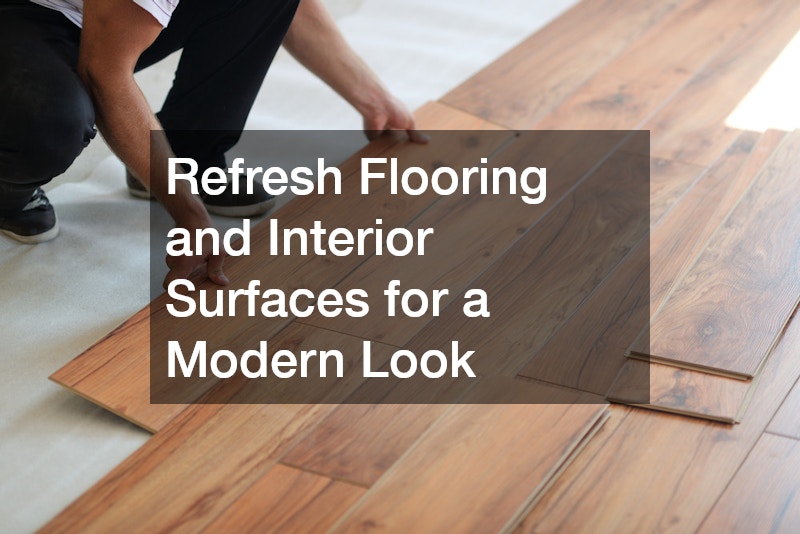
Flooring is one of the most influential visual components of any home, and during a full remodel, it often becomes a priority. Updating floors ties the entire home together, improves comfort, and supports a cohesive design. Whether you prefer hardwood, laminate, luxury vinyl planks, tile, or polished concrete, modern materials provide improved performance and aesthetics that transform interior spaces.
If you choose to keep carpeting in certain rooms—such as bedrooms or basements—schedule professional carpet cleaning during the remodel. Carpets absorb dirt, dust, allergens, and odors over time, especially in high-traffic areas. Deep extraction cleaning revives fibers, restores appearance, and improves indoor air quality. Even if you plan to replace carpets eventually, cleaning them during the remodel helps maintain a fresh environment.
For new flooring selections, consider how color, texture, and plank width affect the overall mood. Wider planks create an open, modern feel, while subtle grain patterns create a minimalist finish. Tile can offer endless styles, from natural stone to contemporary concrete looks. Luxury vinyl provides durability and water resistance for busy households.
Consider resurfacing or refinishing existing hardwood instead of replacing it if the wood is in good condition. This can dramatically modernize your home while preserving character. Upgrading baseboards, trim, and interior doors further elevates the visual impact. Creating continuity across rooms helps your remodel feel intentional, spacious, and modern.
Upgrade Bathroom Appeal With Surface Refinishing
Bathrooms are among the most frequently used areas in a home, and during a full remodel, they offer enormous potential for modernization. However, bathroom renovations can be costly, especially when removing fixtures, relocating plumbing, or replacing tile. This is where strategic surface updates become highly valuable.
One budget-friendly yet transformative option is bathtub refinishing. Rather than removing an older tub, refinishing gives it a fresh, glossy surface that looks brand-new. This is ideal for homes with cast iron or porcelain tubs that still function well but appear stained, worn, or outdated. Refinishing also reduces demolition waste and shortens the remodel timeline.
In addition to updating the tub, consider replacing outdated vanities, installing floating shelves, upgrading faucets, or transitioning to frameless shower enclosures. Modern lighting—such as LED mirrors or under-cabinet illumination—adds style and improves visibility. Selecting timeless tile designs, matte finishes, or neutral tones contributes to a clean, spa-like environment.
Ventilation is another critical element. Upgrading exhaust fans improves air circulation and reduces moisture buildup, which protects your new finishes. Heated floors, wall-mounted hardware, and innovative storage solutions can further modernize your bathroom while making daily routines easier. Combining refinishing with selective upgrades helps achieve a luxurious look without overwhelming your budget.
Create Low-Maintenance Landscaping for a Contemporary Exterior
Modern landscaping emphasizes clean lines, easy upkeep, and outdoor spaces that complement your home’s updated architecture. When completing a full remodel, refreshing your exterior landscape helps establish a cohesive, polished look. A well-designed yard not only improves curb appeal but also increases functionality and reduces long-term maintenance.
One effective upgrade is incorporating an artificial grass service into your landscape plan. High-quality synthetic turf looks lush and green all year while eliminating the need for mowing, watering, or fertilizing. This is particularly useful for families with pets, homeowners in dry climates, or anyone who wants a clean, low-maintenance outdoor surface.
Beyond turf, consider modern hardscaping elements such as concrete pavers, stone borders, raised garden beds, or minimalist shrub arrangements. Emphasize geometric shapes and structured layouts for a contemporary feel. Outdoor lighting—such as pathway lights, uplighting, or step illumination—helps highlight your newly remodeled exterior and enhances nighttime safety.
To further modernize your home’s exterior, consider replacing old fencing, updating exterior paint, adding shade structures, or creating outdoor seating zones. A landscape designed for modern living not only boosts your remodeled home’s aesthetics but also creates outdoor spaces you’ll actually use and enjoy.

Support Remodeling Workflows With Proper Waste Management
A full remodel can quickly become chaotic without an organized plan for waste and debris management. Demolition debris, packaging materials, wood scraps, and broken fixtures can pile up fast and hinder progress. Establishing a reliable system for disposal keeps the job site clean, safe, and efficient.
Arranging a local dumpster rental is one of the simplest ways to maintain order throughout the remodel. Having a dedicated disposal container allows contractors to remove debris continuously, preventing clutter from accumulating in driveways, hallways, or yard areas. Different dumpster sizes allow you to choose the right capacity for the scope of your project.
Efficient waste management also reduces hazards. Piles of debris can create tripping risks, damage materials, and attract pests. Timely removal helps maintain productivity by keeping pathways clear and work areas accessible. If your remodel includes structural changes or roof removal, regular debris removal becomes even more essential.
Some companies provide recycling options or separate containers for materials that can be repurposed, which supports more sustainable remodeling practices. With a waste management strategy in place, your remodel progresses more smoothly, and your home remains cleaner from start to finish.
Recycle Old Materials When Upgrading Structural Elements
Full remodels involve tearing out outdated fixtures, removing old appliances, and often replacing structural components. Many of these materials—especially metals—should not go to landfills. Instead, integrating metal recycling into your remodel supports sustainability, reduces waste, and often lowers disposal costs.
Common recyclable metals include aluminum, copper, steel, cast iron, and brass. Items such as old pipes, faucets, window frames, lighting fixtures, and even large appliances can be recycled. Contractors can often separate materials for you, or you can schedule a pickup with a local recycling facility.
Recycling not only benefits the environment but also promotes responsible remodeling practices. Repurposed metals help reduce the demand for raw materials, lower energy consumption, and limit environmental impact. Many homeowners appreciate knowing their remodel supports green building efforts, especially as modern home designs trend toward sustainability.
You may also discover salvageable materials—such as vintage hardware or reclaimed wood—that can be repurposed in other parts of your project. Integrating recycling into your remodel keeps waste volumes lower and helps your project align with environmentally conscious design principles.
Modernize the Home’s Exterior With Durable Roofing Upgrades
Roofing plays a significant role in your home’s curb appeal, energy efficiency, and protection against the elements. If your full remodel includes a roof replacement, consider updating to metal roofing, a modern option known for its longevity, strength, and sleek appearance. Metal roofs have become increasingly popular due to their ability to withstand extreme weather while maintaining a contemporary aesthetic.
Metal roofing reflects heat more effectively than traditional shingles, helping reduce cooling costs, especially in warmer climates. The material is fire-resistant, lightweight, and available in various colors and styles that complement modern architecture. Standing-seam designs, for example, offer clean lines that pair beautifully with updated siding, windows, and exterior paint.
Because metal roofs last significantly longer than asphalt shingles, they provide outstanding long-term value. They require minimal maintenance, resist cracking and warping, and handle heavy wind and precipitation exceptionally well. During your remodel, pairing a new metal roof with modern gutters, fascia, and soffit materials can further enhance durability and appearance.
Updating your roof during a remodel ensures your exterior transformation matches the improvements made inside, creating a cohesive modern look from top to bottom.

Build Strong, Modern Designs With Versatile Structural Materials
When planning major structural or design changes during your remodel, the materials you choose significantly impact durability, style, and long-term performance. Concrete blocks are a modern, versatile option suitable for both indoor and outdoor applications. Known for their strength and moisture resistance, these blocks can support structural walls, retaining walls, garden beds, outdoor kitchens, and more.
Inside the home, concrete blocks can reinforce basements, create modern accent walls, or support utility areas. Outside, they offer endless design possibilities. Their clean, geometric appearance fits perfectly with contemporary aesthetics, and they can be finished with stucco, paint, veneer stone, or kept raw for an industrial look.
Concrete blocks are highly durable, fire-resistant, and energy-efficient due to their thermal mass. They help maintain stable indoor temperatures and provide excellent sound insulation. Using them during your remodel ensures your structural components hold up over time, even in demanding climates.
Homeowners often appreciate that concrete blocks can be shaped, stacked, and engineered into unique designs, allowing more creative freedom. Whether you’re building new walls, landscaping features, or architectural accents, concrete blocks support long-lasting modernization.
A full home remodel is a chance to reimagine your living space and create a modern environment that blends beauty, comfort, and functionality. By focusing on upgrades that enhance performance—from plumbing and HVAC improvements to structural materials, landscaping, and exterior updates—you lay the foundation for long-term value. Thoughtful planning, durable materials, and strategic enhancements allow your home to feel refreshed, efficient, and aligned with modern lifestyles. When each part of the remodel works together, the result is a home that looks stunning, functions beautifully, and supports the way you live every day.