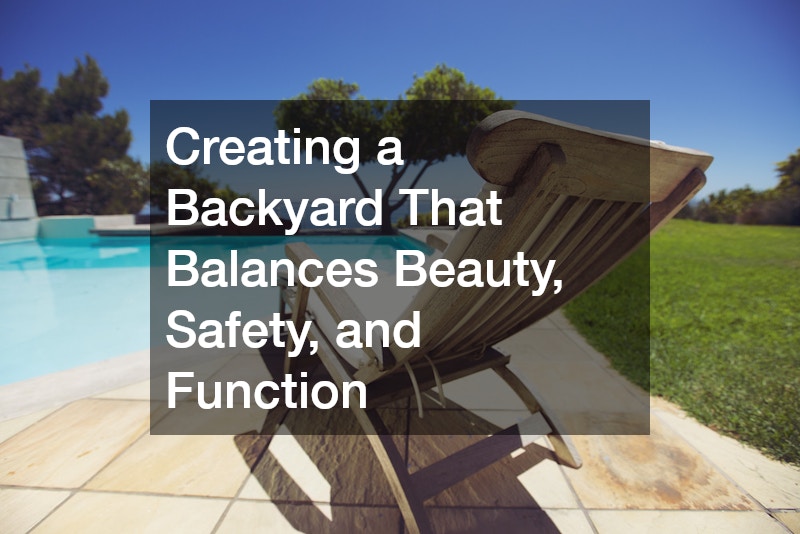
A great backyard does not happen by accident. It is the result of thoughtful planning, smart decisions, and a clear understanding of how you want to use the space. Too often, homeowners focus on one aspect, like appearance or entertainment, and overlook how everything needs to work together.
The best outdoor spaces feel effortless. They look good, function well, and remain easy to maintain over time. That balance comes from considering structure, natural elements, and lifestyle features as part of a cohesive plan rather than separate projects.
Whether you are starting from scratch or improving what you already have, the goal is the same. Create a space that fits your life today while holding up for years to come.
Start with a Master Plan That Prevents Costly Mistakes Later

Before you begin installing anything, step back and look at the full picture. A backyard that works well is always built on a plan, even if it evolves over time. Taking the time to map things out early helps you avoid conflicts between features later on. It also ensures that every element has a purpose instead of feeling randomly placed. A thoughtful plan creates a foundation that makes every future decision easier and more effective.
Evaluate What You Already Have
Walk your property and take notes:
- Where does water collect after rain?
- Which areas get the most sunlight?
- Are there slopes or uneven sections?
- What parts of the yard do you actually use?
Understanding these basics helps you avoid placing features in areas that will cause problems later.
Define Zones Based on Use
Think in terms of how the space will function:
- Entertaining area (patio, seating, outdoor kitchen)
- Relaxation zone (quiet seating, fire pit)
- Activity space (play area, open lawn)
- Visual focal points (landscape features, lighting)
Clear zones prevent overcrowding and make the yard feel intentional.
Plan for the Future
Even if you are not doing everything at once, think ahead:
- Leave room for future additions
- Plan pathways and access points
- Consider how utilities might need to run
Budget in Phases
Breaking your project into phases allows you to prioritize high-impact upgrades first while spreading out costs over time and avoiding rushed decisions. Instead of trying to do everything at once, you can focus on what matters most now and build from there with a clear direction. A strong plan keeps everything aligned, ultimately saving you time, money, and frustration.
Shape the Land to Work With You, Not Against You
If your yard has slopes or uneven ground, ignoring it will lead to ongoing issues. Water runoff, erosion, and unstable surfaces can all be prevented with proper structural solutions.
Retaining walls are one of the most effective ways to manage elevation changes while adding visual structure to your yard.
Why Structural Support Matters
Without proper support:
- Soil can shift or wash away
- Water can pool in unwanted areas
- Usable space becomes limited
Retaining walls help stabilize the landscape and create flat, functional areas.
Choosing Materials That Last
When it comes to materials, stone is a popular choice for both durability and aesthetics. It blends naturally into the environment while offering long-term strength. Unlike some manufactured options, it tends to age well and maintain its appearance over time without looking worn or outdated. It also requires minimal maintenance compared to other materials, making it a practical long-term investment. Choosing the right material up front can save you from repairs and replacements down the line.
Design Tips for a Natural Look
To create a more natural, visually appealing design, consider using tiered walls rather than a single large wall. This approach softens the overall look and helps the structure blend into the landscape rather than dominate it. Incorporating planting beds between levels adds texture, color, and a more organic feel to the space. Matching materials with other elements in your yard, such as walkways or patios, helps create a cohesive design. Keeping transitions subtle and consistent will make the entire area feel intentional and well-thought-out.
Don’t Forget Drainage
Behind every well-built wall is proper drainage:
- Gravel backfill
- Drain pipes
- Proper grading
Without these, even the best-built structure can fail over time.
Use Ground Materials That Look Good and Reduce Maintenance
Ground cover plays a major role in both the appearance and functionality of your yard. Choosing the right materials can significantly reduce maintenance while improving drainage and durability.
River rock is one of the most versatile options for achieving both goals.
Where It Works Best
- Around foundations
- Along pathways
- Under decks or structures
- In decorative borders
Why It’s a Smart Choice
River rock offers several benefits:
- Excellent drainage
- Long lifespan with minimal upkeep
- Natural appearance that complements most designs
Installation Tips
To avoid common issues:
- Use landscape fabric underneath
- Install proper edging to keep rocks contained
- Choose the right size for your application
Mistakes to Avoid
- Skipping a base layer
- Using rocks that are too small (they shift easily)
- Placing in areas with heavy foot traffic
When installed correctly, this type of material provides a clean, low-maintenance foundation for your outdoor space.
Maintain Healthy Trees Without Creating Safety Risks
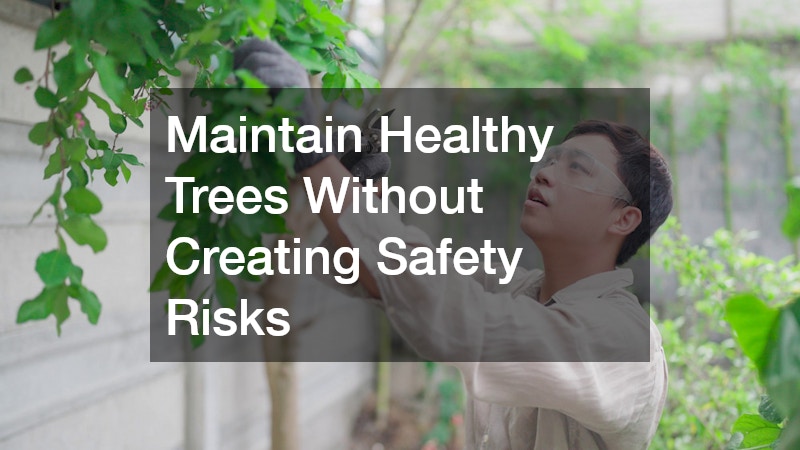
Trees are one of the most valuable features in any yard, but they require proper care to remain safe and healthy.
Working with an arborist ensures your trees are evaluated and maintained correctly over time.
Why Tree Health Matters
Healthy trees:
- Provide shade and comfort
- Improve property value
- Enhance overall aesthetics
Unhealthy trees, on the other hand, can become hazards.
What Proper Care Includes
Professional tree trimming services should:
- Remove dead or weak branches
- Improve airflow and sunlight penetration
- Maintain structural integrity
Warning Signs to Watch For
- Cracked or split branches
- Leaning trees
- Dead or falling limbs
Seasonal Timing
- Late winter or early spring is ideal for most trimming
- Avoid heavy trimming during peak growth periods
Regular care keeps trees looking great while reducing safety risks.
Choose the Right Professionals for Ongoing Tree Care
Not all services are equal, and choosing the right team can make a significant difference in both results and safety. A reliable local tree service should prioritize both proper technique and long-term care. They should take the time to assess your trees instead of rushing through the job or recommending unnecessary work.
Clear communication and a willingness to explain their approach are strong signs that you are working with the right team. Investing in the right professionals upfront helps prevent damage, reduces liability, and ensures your trees remain healthy over time.
What to Look For
- Proper licensing and insurance
- Experience with your specific tree types
- Clear communication and recommendations
Questions to Ask
- What is your approach to long-term tree health?
- How do you handle safety during removal or trimming?
- Can you provide references?
Why Ongoing Care Matters
Regular service helps:
- Prevent large-scale removals
- Maintain a consistent appearance
- Identify issues early
Red Flags to Avoid
- Extremely low pricing
- Lack of insurance
- Aggressive or unnecessary cutting
Building a relationship with a trusted provider ensures your trees remain an asset rather than a liability.
Plan Your Pool Area Around How You Will Actually Use It
Adding a pool can completely transform your backyard, but only if it is designed with your lifestyle in mind. Working with experienced custom pool builders helps ensure the design aligns with how you plan to use the space. They can guide you through important decisions that impact both functionality and long-term maintenance. A well-thought-out layout improves flow between the pool and surrounding areas like seating and dining spaces. It also helps maximize usable space, rather than creating areas that feel cramped or underutilized. Taking the time to plan properly up front leads to a more enjoyable and practical result.
Start with Function
Ask yourself:
- Will you be entertaining often?
- Do you have kids using the pool?
- Is this for relaxation or exercise?
Key Decisions Before Installation
Before pool installation begins, consider:
- Size and depth
- Placement relative to sun and shade
- Proximity to seating or dining areas
Avoid Common Mistakes
- Placing the pool too far from the house
- Ignoring sightlines from inside
- Not planning for the surrounding space
Think Beyond the Pool
Include:
- Seating areas
- Shade structures
- Lighting
A well-planned pool area feels integrated, not isolated.
Design a Pool That Balances Visual Appeal and Practical Use
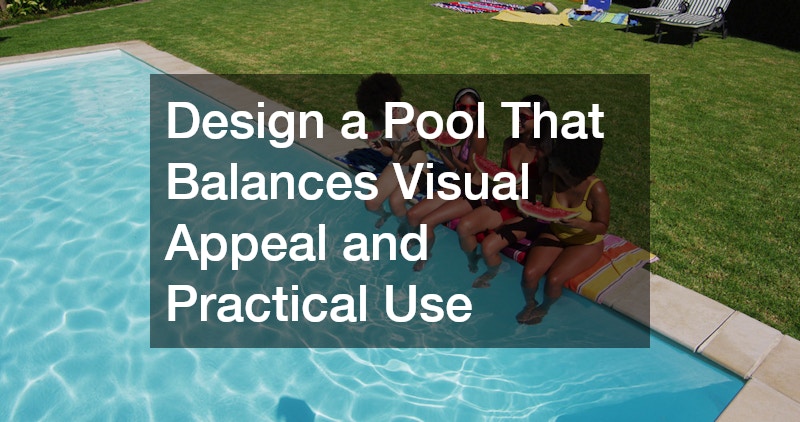
The design of your pool should enhance both the look and function of your backyard. In-ground pools are often preferred for their durability, appearance, and long-term value. They blend seamlessly with surrounding landscaping, offer more customization options, and can significantly increase property value when done correctly. Because they are built into the landscape, they tend to feel more permanent and integrated rather than like an add-on feature.
When planning your design, it is important to think beyond the pool’s shape. Choose a layout that complements the natural flow of your yard and works with, rather than against, its existing features. Incorporating elements such as steps, tanning ledges, or shallow areas can make the space more versatile and enjoyable for various uses. Lighting should also be part of the initial plan, both for safety at night and to create a more inviting atmosphere. Taking the time to consider these details ensures your pool not only looks great but also functions well for everyday use.
Maintenance Planning
Think ahead about:
- Access for cleaning
- Equipment placement
- Water circulation
Creating a Cohesive Look
- Match materials with surrounding surfaces
- Use landscaping to soften edges
- Avoid overly complex designs
A thoughtful design ensures your pool looks great and functions well for years.
Build in Safety Features Without Sacrificing Design
Safety should never feel like an afterthought. It should be built into your design from the beginning. Pool fences are one of the most important elements for creating a safe environment. When integrated early, they can be positioned in a way that feels intentional rather than intrusive. This allows you to maintain both safety and a clean, cohesive design.
Why Safety Matters
- Protects children and pets
- Reduces liability
- Meets local regulations
Options to Consider
- Glass panels for unobstructed views
- Metal fencing for durability
- Mesh options for flexibility
Design Tips
- Match fence style to your overall aesthetic
- Maintain clear sightlines
- Integrate gates seamlessly
Important Features
- Self-closing and self-latching gates
- Proper height and spacing
- Secure installation
Safety and design can work together when planned correctly.
Create Flow Between Hardscape and Natural Elements
A great backyard feels cohesive, not pieced together. The transition between different areas should feel natural and intentional. Using stone throughout your space helps unify various elements. It creates a consistent visual language that ties patios, walkways, and borders together. Repeating materials in different areas helps the space feel connected rather than disjointed. It also makes the overall design easier on the eye and more inviting to move through.
Small details like matching tones and textures can make a big difference in how polished the final result feels.
Connect Different Areas
- Walkways linking zones
- Consistent materials across surfaces
- Clear transitions between spaces
Balance Textures
- Mix smooth and rough finishes
- Combine hard surfaces with greenery
- Avoid overcomplicating patterns
Lighting Considerations
- Highlight pathways
- Illuminate key features
- Improve nighttime usability
Keep It Simple
Consistency is more important than complexity. A few well-chosen materials used thoughtfully will always outperform a mix of too many competing elements.
Keep Everything Looking and Working Right
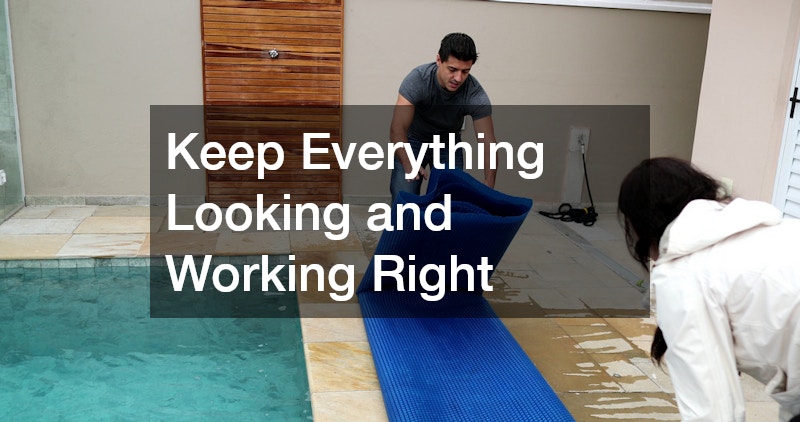
Even the best-designed backyard needs ongoing care. Without it, small issues can quickly turn into larger problems.
Break It Into Manageable Tasks
- Weekly: basic cleaning and checks
- Monthly: inspections and adjustments
- Seasonal: deeper maintenance
Balance DIY and Professional Help
Handle simple tasks yourself, but bring in experts when needed.
Track What You Do
Keep a record of:
- Services completed
- Repairs made
- Upcoming needs
Stay Flexible
Adjust your plan as your yard evolves and your needs change.
Consistency is what keeps your space looking and functioning its best.
Creating a Functional Outdoor Space
Creating a backyard that truly works is about more than just choosing the right features. It is about how those features come together over time. When you take a thoughtful, balanced approach, you create a space that not only looks great but also supports how you live.
Start with a plan, build with intention, and maintain it consistently. Over time, those decisions add up, resulting in a space that feels complete, functional, and enjoyable in every season.