Asphalt shingles have long been a preferred choice for residential roofing due to their cost-effectiveness and versatility. With an array of styles and colors, they offer homeowners not just functionality, but also the flexibility to tailor the aesthetics of their home. This article dives into the essential aspects of asphalt shingles, exploring their benefits, maintenance, and common challenges faced by homeowners. Whether you’re in the process of installing a new roof or looking to maintain an existing one, understanding asphalt shingles is crucial. Let’s begin our journey to uncover what makes asphalt shingles a top choice and how they can serve your home effectively.
What are the Benefits of Asphalt Shingle Roofing?
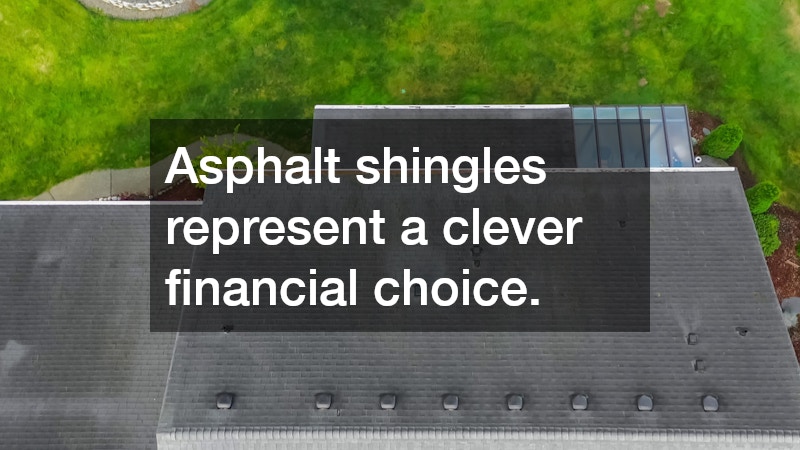
One of the biggest advantages of asphalt shingles is their affordability compared to other roofing materials such as metal or tile. They offer a cost-effective solution without sacrificing quality, allowing homeowners to achieve a durable roof without a hefty investment. The installation process for asphalt shingles is relatively straightforward, contributing to lower labor costs. Moreover, asphalt shingles are widely available, ensuring competitive pricing and diverse options for any budget. For families looking to maximize their home improvement budget, asphalt shingles represent a clever financial choice.
Asphalt shingles come in a variety of styles and colors, making it easy to match any home’s exterior design. From traditional looks to modern blends, there is a shingle type to meet virtually every homeowner’s taste. This versatility extends to textures as well, with options that mimic the appearance of wood, slate, or other materials. The aesthetic flexibility not only enhances curb appeal but also can significantly increase property value. Selecting the right combination of style and color in asphalt shingles allows homeowners to create a unique and personalized look for their homes.
Asphalt shingles are engineered to endure a wide range of weather conditions, making them a durable choice for roofing. They are designed to withstand heavy rain, wind gusts, and even hail, depending on the grade chosen. Their layered construction aids in water resistance, protecting the underlying structure of the roof. In regions prone to intense sun exposure, specifically designed asphalt shingles can reflect sunlight, minimizing damage from UV rays and reducing cooling costs. This robustness in various climates secures the longevity of asphalt shingle roofs, providing peace of mind to homeowners.
How to Maintain Asphalt Shingle Roofs?
Routine maintenance of asphalt shingle roofing is key to preserving its condition and prolonging its lifespan. Homeowners should conduct roof inspections at least twice a year, ideally in spring and fall, to catch any issues early. Cleaning debris such as leaves and branches from roof surfaces and gutters helps prevent water buildup and potential damage. Regular inspections also help identify signs of algae or mold, which should be addressed promptly. By keeping up with regular maintenance, homeowners can avoid costly repairs and extend the life of their asphalt shingle roofs.
Being able to identify signs of damage on an asphalt shingle roof is crucial for timely repairs. Look for signs such as missing shingles, curling edges, or cracked surfaces, which can indicate underlying issues. Conducting visual inspections after severe weather events can help catch damage from wind or hail quickly. For minor issues, individual shingles can often be replaced without the need for a full roof overhaul. However, extensive damage may necessitate consulting a professional roofing contractor to assess the situation and recommend appropriate solutions.
To protect asphalt shingles against extreme weather conditions, implementing weatherproofing techniques can be beneficial. A proper attic ventilation system helps maintain temperature balance and prevents moisture buildup, which can damage shingles. Applying a water-repellent coating can enhance the waterproof abilities of the roof and prevent water ingress. Installing underlayment beneath the shingles further shields the roof deck from moisture. These techniques, combined with regular maintenance efforts, ensure that asphalt shingle roofs remain resilient and last longer.
What Are the Common Problems with Asphalt Shingles?
Curling and cracking are common issues that can affect the performance of asphalt shingles. Curling usually occurs when shingles lose their flexibility due to age or UV exposure, making them prone to wind uplift. Cracking can result from thermal expansion and contraction cycles that weaken the shingle structure over time. Proper attic ventilation and regular inspections can help mitigate these issues by reducing roof stress. When homeowners notice curling or cracking, replacing affected shingles promptly can prevent more significant roof damage.
Algae growth, often seen as unsightly dark streaks on roofs, can affect asphalt shingles and their appearance. These streaks are usually caused by airborne algae spores settling and thriving in moist environments. While algae do not typically harm the physical integrity of shingles, they can affect the roof’s look and resale value. Installing algae-resistant shingles with copper or zinc granules can inhibit growth. Regular roof cleaning and addressing any moisture issues can also help keep algae at bay.
Granule loss is a common phenomenon with asphalt shingles, where the protective granules on their surface wear away over time. These granules play a crucial role in UV protection and contribute to the shingle’s overall durability. Observing excessive granule accumulation in gutters is a sign that shingles may be nearing the end of their service life. Environmental factors such as heavy storms or improper installation can accelerate granule loss. Monitoring this issue helps homeowners make informed decisions about roof maintenance or replacement.
Asphalt shingles offer a practical and attractive option for residential roofing with their cost-effectiveness and variety of styles. However, understanding their maintenance needs and potential issues is essential for homeowners to maximize their investment. By staying on top of regular inspections, addressing damage promptly, and employing weatherproofing techniques, the lifespan of asphalt shingles can be extended significantly. Despite some common problems, with proper care and timely interventions, asphalt shingles can provide long-lasting protection and aesthetic value. As you consider your roofing options, remember that knowing your chosen material inside out will ensure that it provides the best performance for your home.