Most property owners assume major failures happen suddenly. In reality, nearly every expensive repair begins as a small, preventable issue. A minor vibration becomes a motor failure. A slow drain becomes a pipe rupture. A small foundation shift becomes structural instability. These problems develop gradually, often unnoticed, until they reach a critical point.
Buildings operate as interconnected systems. Heating, cooling, plumbing, structural supports, roofing, and drainage components all rely on each other. When one system weakens, it increases stress on others. This chain reaction accelerates deterioration and raises repair costs significantly. For example, excess moisture caused by plumbing issues can weaken structural supports, increase mold growth, and force heating and cooling systems to work harder to maintain indoor comfort.
Preventative maintenance is the single most effective way to protect your property. Understanding early warning signs, conducting routine inspections, and addressing small issues immediately can extend system lifespan by decades and prevent catastrophic failures. Property owners who invest time in preventative care consistently spend less on repairs over the lifetime of their building compared to those who wait for visible failures.
This guide provides detailed, actionable insight into how these systems function, how they fail, and what you can do to protect your investment while improving efficiency, safety, and long-term reliability.
One of the most overlooked realities of property ownership is that systems rarely fail independently. When one component begins to deteriorate, it increases stress on surrounding systems. For example, poor insulation or airflow forces heating and cooling systems to run longer. Excess moisture from plumbing issues raises indoor humidity, which accelerates mold growth and reduces air quality. Foundation movement can strain pipes, increasing the likelihood of leaks. These cascading effects make early detection critical.
Preventative maintenance also protects resale value. Prospective buyers and inspectors look closely at structural integrity, mechanical reliability, and signs of deferred maintenance. Properties with well-maintained systems not only sell faster, but often command significantly higher prices. Even if you do not plan to sell, protecting these systems reduces long-term ownership costs and ensures predictable performance.
By understanding how failures begin and what steps prevent them, property owners gain control over both repair costs and system lifespan.
Early warning signs that indicate mechanical system stress or failure
Heating and cooling systems operate for thousands of hours each year. Even under normal conditions, mechanical wear slowly accumulates. Systems rarely fail without warning. Instead, they show gradual signs of declining performance.
Common warning signs include:
-
Uneven temperatures between rooms
-
Increased run times to maintain desired temperatures
-
Higher utility bills without increased usage
-
Weak airflow from vents
-
Unusual noises such as buzzing, rattling, or grinding
These symptoms indicate internal strain, airflow restrictions, or component fatigue.
You can perform simple monthly inspections that help detect early problems:
-
Replace air filters regularly
-
Check vents for obstructions
-
Inspect outdoor units for debris buildup
-
Listen for abnormal operational sounds
HVAC contractors frequently identify restricted airflow as the root cause of premature system failure. Dirty filters, blocked ducts, or clogged vents force systems to work harder, increasing wear on internal components.
Regular furnace maintenance helps prevent overheating, improves airflow, and ensures efficient operation. Systems that receive proper maintenance often last 15–20 years, while neglected systems may fail in as little as 8–10 years.
Another critical factor affecting system longevity is operating environment. Systems installed in dusty environments, humid basements, or poorly ventilated spaces experience accelerated wear. Dust accumulation reduces airflow and causes internal components to overheat. Excess moisture increases corrosion risk and electrical failure. Even minor environmental improvements, such as improving ventilation or sealing air leaks, can significantly reduce mechanical strain.
Delayed maintenance often leads to cascading component failure. For example, when airflow becomes restricted, blower motors must work harder. This increases heat buildup, which weakens electrical insulation and accelerates motor wear. Eventually, the motor fails completely. Replacing a small, inexpensive component early can prevent major system failure and reduce repair costs dramatically.
Cooling system efficiency and preventing mid-season failures
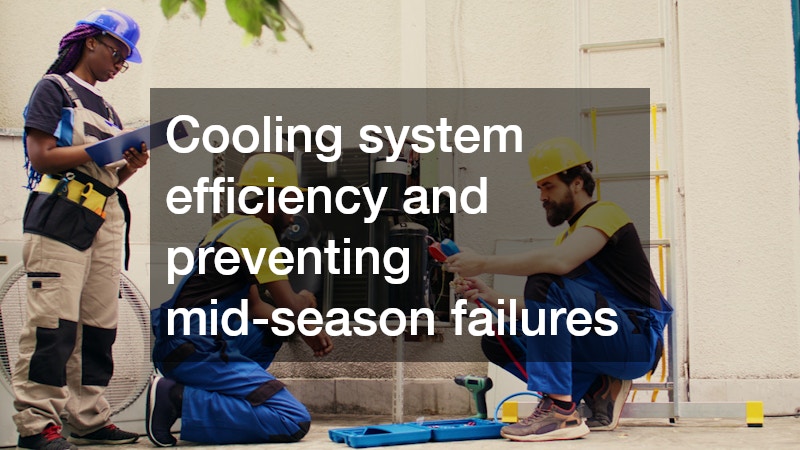
Cooling systems face the greatest stress during peak summer months. When outside temperatures rise, internal components must work harder to maintain indoor comfort.
Improving airflow is the most effective way to reduce strain:
-
Replace air filters every 30–60 days
-
Clear debris from outdoor units
-
Keep vents unobstructed
-
Ensure adequate ventilation
Thermostat management also plays a major role. Rapid temperature adjustments increase system workload and accelerate wear.
Best practices include:
-
Maintaining consistent temperature settings
-
Avoiding extreme cooling demands
-
Using programmable thermostats
Air conditioning repair services often address preventable problems such as refrigerant leaks, worn capacitors, and airflow restrictions. These issues reduce efficiency and increase system workload.
HVAC contractors consistently find that preventative inspections identify small problems before they lead to system failure. Addressing issues early reduces repair costs and improves reliability during peak usage periods.
System age also plays a major role in reliability. As systems age, internal components gradually lose efficiency. Electrical connections loosen, seals weaken, and moving parts experience wear. Even when systems continue operating, they often consume more energy and deliver reduced performance. Monitoring performance over time allows property owners to detect gradual efficiency loss.
Another important factor is proper system sizing. Systems that are too small run continuously, increasing wear. Systems that are too large cycle on and off frequently, which also accelerates deterioration. Proper sizing ensures stable operation and improves long-term reliability.
Routine inspection allows small adjustments that improve performance and prevent failure.
Hidden plumbing failures that cause widespread structural damage
Plumbing systems operate continuously but remain largely hidden behind walls and beneath floors. This makes early detection of problems especially important.
Common warning signs include:
-
Reduced water pressure
-
Persistent moisture smells
-
Slow draining sinks or tubs
-
Water stains on walls or ceilings
-
Unexpected increases in water bills
These symptoms often indicate leaks or blockages developing within the system.
You can perform basic inspection checks:
-
Monitor water meter activity when fixtures are off
-
Inspect exposed pipes for moisture
-
Check under sinks regularly
-
Listen for unusual sounds
A professional plumbing company can perform pressure tests and camera inspections to identify hidden problems.
Early drain repair prevents escalation into major structural damage. Small leaks can weaken wood framing, damage insulation, and promote mold growth if left untreated.
Prompt repairs reduce long-term costs and protect structural integrity.
Water damage often develops silently. Moisture trapped behind walls or beneath floors may remain undetected for months. During this time, wood framing weakens, insulation deteriorates, and mold growth accelerates. By the time visible signs appear, significant structural damage may already exist.
Temperature changes also affect plumbing systems. Pipes expand and contract as temperatures fluctuate, gradually weakening joints and seals. Over time, this movement increases leak risk. Regular inspection helps identify vulnerable areas before leaks occur.
Early detection protects both structural integrity and indoor air quality.
Wastewater flow problems and long-term infrastructure deterioration
Wastewater systems are essential for removing contaminated water safely from your property. Blockages create pressure buildup that increases failure risk.
Common causes include:
-
Tree root intrusion
-
Grease accumulation
-
Foreign object obstruction
-
Pipe deterioration
These issues restrict flow and increase internal stress.
Early warning signs include:
-
Multiple slow drains
-
Gurgling sounds
-
Persistent odors
-
Frequent clogs
Regular sewer line cleaning removes buildup and restores proper flow.
Benefits include:
-
Improved drainage efficiency
-
Reduced blockage risk
-
Extended pipe lifespan
-
Prevention of sewage backup
Timely drain repair ensures reliable system operation and prevents costly damage.
Water intrusion risks and protecting structural integrity
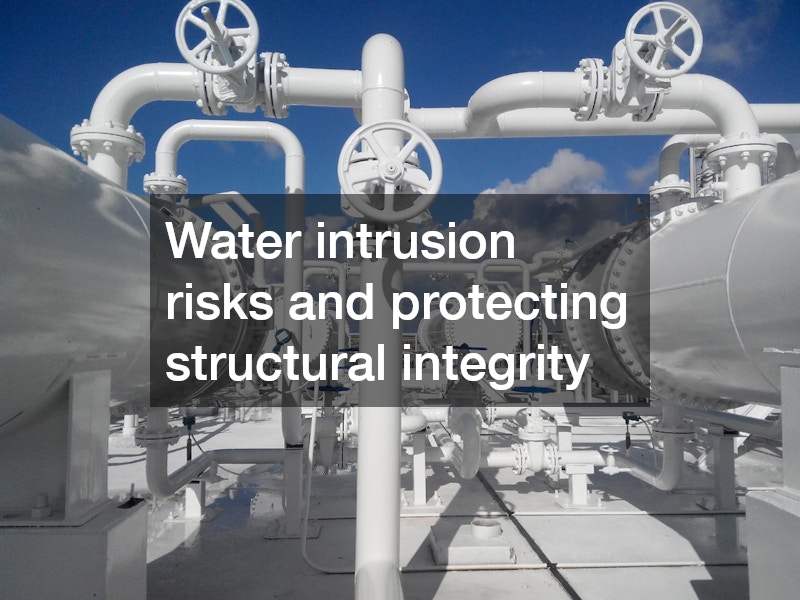
Water intrusion can compromise structural materials quickly. Moisture weakens wood, promotes mold growth, and damages insulation.
Common causes include:
-
Poor drainage
-
Heavy rainfall
-
Foundation cracks
-
System failures
Local sump pump installation provides protection by removing excess water from vulnerable areas.
Regular system testing ensures proper function:
-
Verify activation
-
Check discharge flow
-
Inspect backup power systems
Damage restoration may be required if water intrusion has already occurred. Immediate response prevents long-term structural deterioration.
Roof deterioration and protecting the building envelope
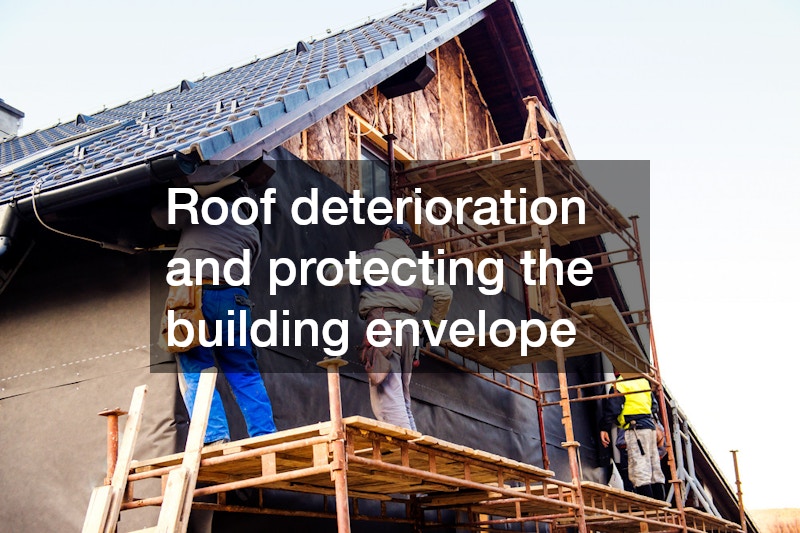
Roof systems provide essential protection against environmental exposure. Over time, weather gradually weakens protective materials.
Warning signs inclu
de:
-
Missing or damaged roofing materials
-
Water stains inside the building
-
Sagging roof sections
-
Visible deterioration
Commercial roofing professionals can identify weaknesses early.
Damage restoration may be required if moisture penetrates structural materials.
Routine inspections significantly extend roof lifespan.
Small roof defects often worsen rapidly. A minor crack or loose component allows moisture penetration. Once moisture enters, it weakens underlying materials and spreads beyond the original entry point. Over time, this can affect insulation, structural supports, and interior surfaces.
Moisture intrusion also reduces insulation effectiveness. This forces heating and cooling systems to work harder, increasing energy costs and accelerating mechanical wear. Proper roof maintenance improves both structural protection and energy efficiency.
Routine inspections identify vulnerabilities early and allow timely repairs.
Structural movement and foundation stability concerns
Foundation stability is essential for structural safety.
Warning signs include:
-
Cracks in walls
-
Uneven flooring
-
Sticking doors or windows
-
Structural misalignment
A house leveling contractor restores structural alignment and prevents further deterioration.
Damage restoration may be necessary if structural components have already been compromised.
Early intervention reduces repair costs significantly.
Foundation stability is influenced by soil conditions, moisture levels, and environmental factors. Changes in soil moisture cause expansion and contraction, which affects structural support. Over time, repeated movement weakens structural alignment.
Foundation instability can also affect other systems. Pipes may crack due to shifting supports. Doors and windows may misalign, reducing insulation efficiency. Structural stress may spread throughout the building.
Early correction prevents widespread damage and preserves long-term structural reliability.
Drainage system performance and long-term protection
Proper drainage protects structural integrity.
Effective drainage prevents:
-
Foundation weakening
-
Soil erosion
-
Interior flooding
Local sump pump installation rem
oves excess water efficiently.
Sewer line cleaning ensures reliable wastewater removal.
Routine inspection improves system reliability.
Creating a preventative inspection schedule
Preventative maintenance reduces long-term repair costs.
Monthly inspections should include:
-
Checking air filters
-
Inspecting exposed pipes
-
Monitoring system performance
Quarterly inspections should include:
-
Testing drainage systems
-
Checking structural stability
A plumbing company and HVAC contractors can perform detailed inspections that identify hidden issues.
Preventative maintenance improves reliability and extends system lifespan.
Preventative maintenance also improves system efficiency. Systems operating under optimal conditions consume less energy and experience less wear. This improves reliability and reduces operating costs over time.
Consistent inspection allows property owners to identify gradual changes in system performance. These changes often indicate developing problems. Addressing them early prevents major failures and improves long-term system stability.
Preventative care is the most cost-effective strategy for protecting property value.
Evaluating Repair Versus Replacement Decisions
Repair decisions should consider:
-
System age
-
Efficiency loss
-
Repair frequency
-
Replacement cost
Air conditioning repair services can restore performance when systems remain structurally sound.
Commercial roofing inspections determine structural condition.
Timely repairs reduce long-term costs.
Long-term maintenance habits that extend system lifespan
Consistent maintenance improves long-term reliability.
Recommended habits include:
-
Performing routine inspections
-
Addressing issues early
-
Monitoring performance
Furnace maintenance improves efficiency and safety.
A house leveling contractor ensures structural stability.
Preventative care extends system lifespan significantly.
Conclusion
Maintaining your property requires a proactive approach built on awareness, consistency, and timely action. Most major failures do not occur without warning. Instead, they develop slowly as small issues grow into larger structural or mechanical problems. By learning to recognize these early signs, you gain the ability to prevent expensive repairs and avoid system downtime.
Routine inspections, proper care, and preventative maintenance are essential for protecting both the performance and value of your property. When systems operate efficiently, they experience less strain, consume less energy, and remain reliable for longer periods. These benefits translate directly into lower ownership costs and greater long-term financial stability.
Property ownership involves responsibility, but it also offers control. By implementing preventative strategies and addressing small issues early, you ensure your building remains safe, efficient, and structurally sound for years to come.