Key Takeaways
- Focus on upgrades that improve both daily comfort and long-term property value.
- Kitchen and bathroom improvements are among the most valuable home updates.
- Energy-efficient upgrades can lower utility costs and increase buyer appeal.
- Regular maintenance is essential before starting cosmetic renovations.
- Outdoor living spaces and curb appeal improvements can boost overall property value.
- Smart storage solutions and functional spaces make homes more practical and attractive.
- Planning upgrades carefully over time helps homeowners avoid overspending.
Owning a home is one of the biggest investments most people will ever make. Because of this, many homeowners look for ways to improve their property while also increasing its long-term value. The right upgrades can make your home more comfortable, more functional, and more attractive to future buyers.
However, not every project delivers the same return. Some upgrades add lasting value, while others may cost a lot without improving your home’s appeal or performance. That’s why it’s important to focus on changes that provide long-term benefits.
In this guide, you’ll learn about the top home changes that can increase value, improve everyday living, and make your property a smarter investment.
Why Long-Term Value Matters
When planning home upgrades, it’s easy to focus only on appearance. While style is important, long-term value should also be part of your decision-making process.
Home improvements that offer lasting value can:
- Increase resale potential
- Lower maintenance costs
- Improve energy efficiency
- Enhance comfort and functionality
Even if you don’t plan to sell anytime soon, investing in the right changes can help protect your property’s value over time.
Upgrade the Kitchen
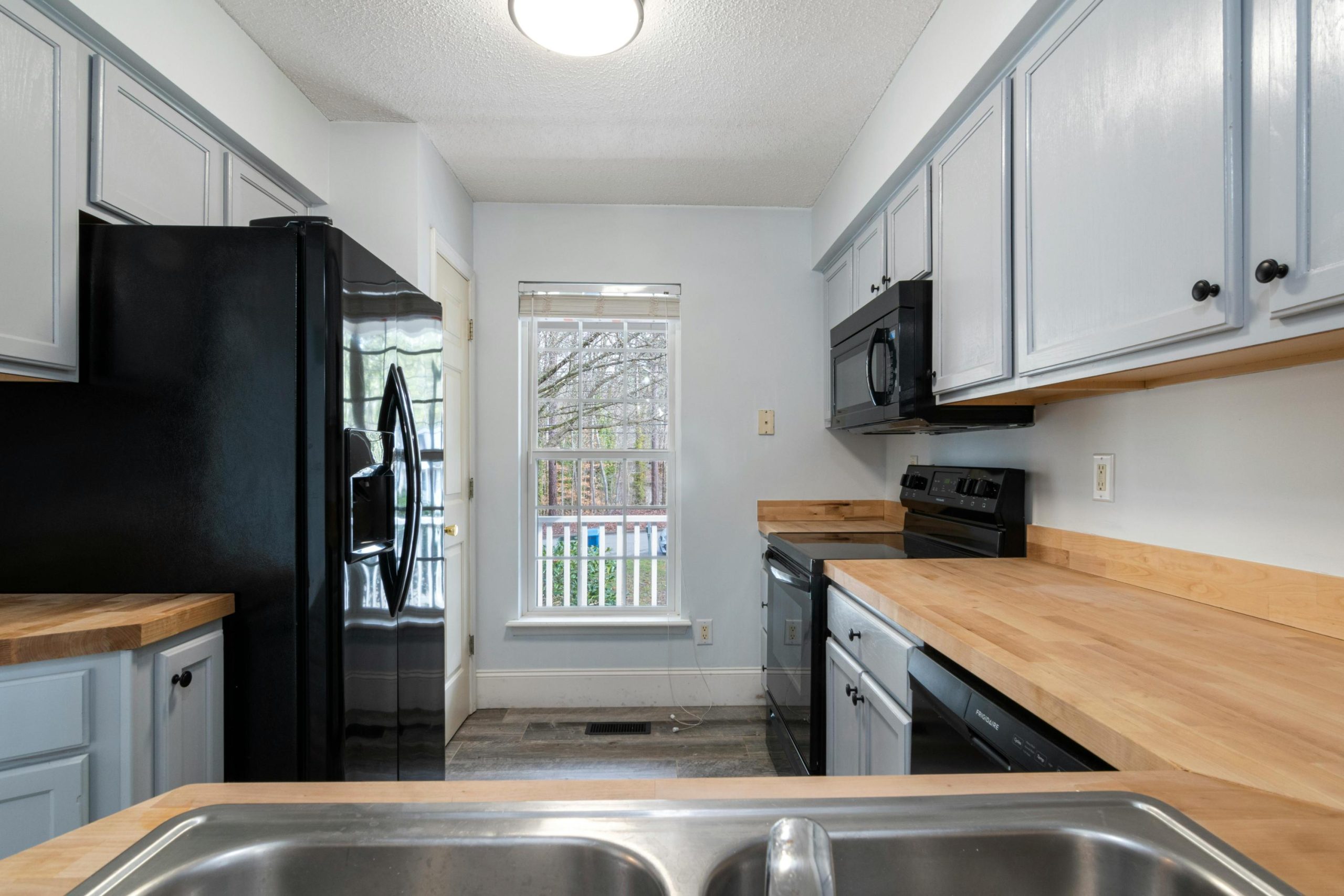
The kitchen is often considered the heart of the home. It’s one of the most-used spaces and one of the first areas buyers notice.
You don’t always need a complete remodel to make a big impact. Simple improvements can still add value, such as:
- Replacing outdated countertops
- Updating cabinet hardware
- Installing modern lighting
- Adding energy-efficient appliances
If your kitchen is older or less functional, a larger remodel may be worth considering.
Among the best home improvements for resale, kitchen upgrades consistently rank near the top because they improve both style and functionality.
Improve Bathroom Spaces
Bathrooms are another high-value area for homeowners. A clean, modern bathroom improves comfort and leaves a strong impression on guests and buyers alike.
Small updates can include:
- Replacing faucets and fixtures
- Updating mirrors and lighting
- Repainting walls
- Installing better storage solutions
For older bathrooms, larger projects like new flooring or walk-in showers may offer even more value.
Thoughtful bathroom remodeling and renovation projects can improve daily convenience while also increasing your home’s appeal in the long run.
Increase Energy Efficiency
Energy-efficient homes are becoming more desirable because they lower utility costs and improve comfort.
Some smart upgrades include:
- Installing better insulation
- Replacing old windows
- Upgrading HVAC systems
- Using LED lighting
These improvements can reduce monthly bills and make your home more environmentally friendly.
Energy efficiency upgrades may also qualify for rebates or incentives in some areas, making them even more valuable.
Refresh Flooring Throughout the Home
Floors experience daily wear and tear, so updating them can greatly improve your home’s appearance.
Popular long-lasting flooring options include:
- Hardwood
- Luxury vinyl plank
- Tile
Replacing worn carpet or damaged flooring can instantly make a home feel cleaner and more modern.
Durable flooring is especially valuable because it improves both style and function.
Improve Curb Appeal
First impressions matter. The outside of your home is the first thing people see, so improving curb appeal can significantly boost value.
Simple exterior upgrades include:
- Fresh paint
- Updated landscaping
- Better outdoor lighting
- A new front door
Keeping the exterior clean and well-maintained also helps prevent long-term damage.
Even small improvements can make your home look more inviting and cared for.
Add Functional Storage
Storage is one of the most requested features in homes today.
Consider adding:
- Closet organizers
- Garage shelving
- Built-in cabinets
Better storage helps reduce clutter and improves functionality for everyday living.
Homes with smart storage solutions often feel larger and more organized.
Upgrade Outdoor Living Spaces
Outdoor areas have become more important for homeowners in recent years.
Popular upgrades include:
- Patios or decks
- Outdoor seating areas
- Fire pits
- Covered outdoor spaces
These additions create more usable living space and can improve overall enjoyment of your property.
Outdoor improvements also help your home stand out in the market.
Focus on Maintenance Before Major Upgrades
Before investing in cosmetic projects, make sure your home’s major systems are in good condition.
This includes:
- Roofing
- Plumbing
- Electrical systems
- HVAC systems
Ignoring maintenance issues can lower your home’s value and lead to expensive repairs later.
A well-maintained home is more attractive to buyers and more comfortable for you.
Modernize Lighting
Lighting affects both appearance and functionality.
Updating light fixtures can:
- Brighten rooms
- Make spaces feel larger
- Improve energy efficiency
Consider adding:
- Recessed lighting
- Pendant lights
- Dimmer switches
Modern lighting creates a more updated and welcoming atmosphere.
Repaint Interior Walls
Fresh paint is one of the easiest and most affordable ways to refresh your home.
Neutral colors are often the best choice because they:
- Appeal to more buyers
- Make spaces feel brighter
- Create a clean look
Painting can quickly transform a room without requiring major construction.
Improve Home Office Spaces
As remote work becomes more common, home offices have become more valuable.
You don’t need a large room to create a functional workspace. Even a small area with:
- Good lighting
- Built-in shelves
- Comfortable seating
can increase your home’s usefulness.
Functional spaces add long-term value because they meet changing lifestyle needs.
Consider Smart Home Features
Technology is becoming a bigger part of modern homes.
Popular smart upgrades include:
- Smart thermostats
- Video doorbells
- Smart locks
- Automated lighting
These features improve convenience, security, and energy efficiency.
Smart home technology can also make your property more appealing to younger buyers.
Improve Insulation and Ventilation
Good insulation and ventilation help protect your home and improve comfort year-round.
Benefits include:
- Lower energy bills
- Better indoor air quality
- Reduced moisture issues
Proper ventilation also helps prevent mold and other long-term problems.
These upgrades may not always be visible, but they provide important long-term value.
Plan Large Renovations Carefully
Some homeowners choose to take on larger projects, such as expanding rooms or remodeling multiple spaces at once.
If you’re considering a major remodel, following practical full home renovation tips can help you stay organized, avoid overspending, and prioritize improvements that offer lasting value.
Large projects require careful planning, realistic budgeting, and reliable contractors to ensure success.
Don’t Overpersonalize Your Home
While it’s important to make your home feel personal, overly unique designs can hurt resale value.
Avoid:
- Extremely bold color schemes
- Highly specialized rooms
- Trendy features that may age quickly
Choose upgrades that balance personal style with broad appeal.
Create a Long-Term Improvement Plan
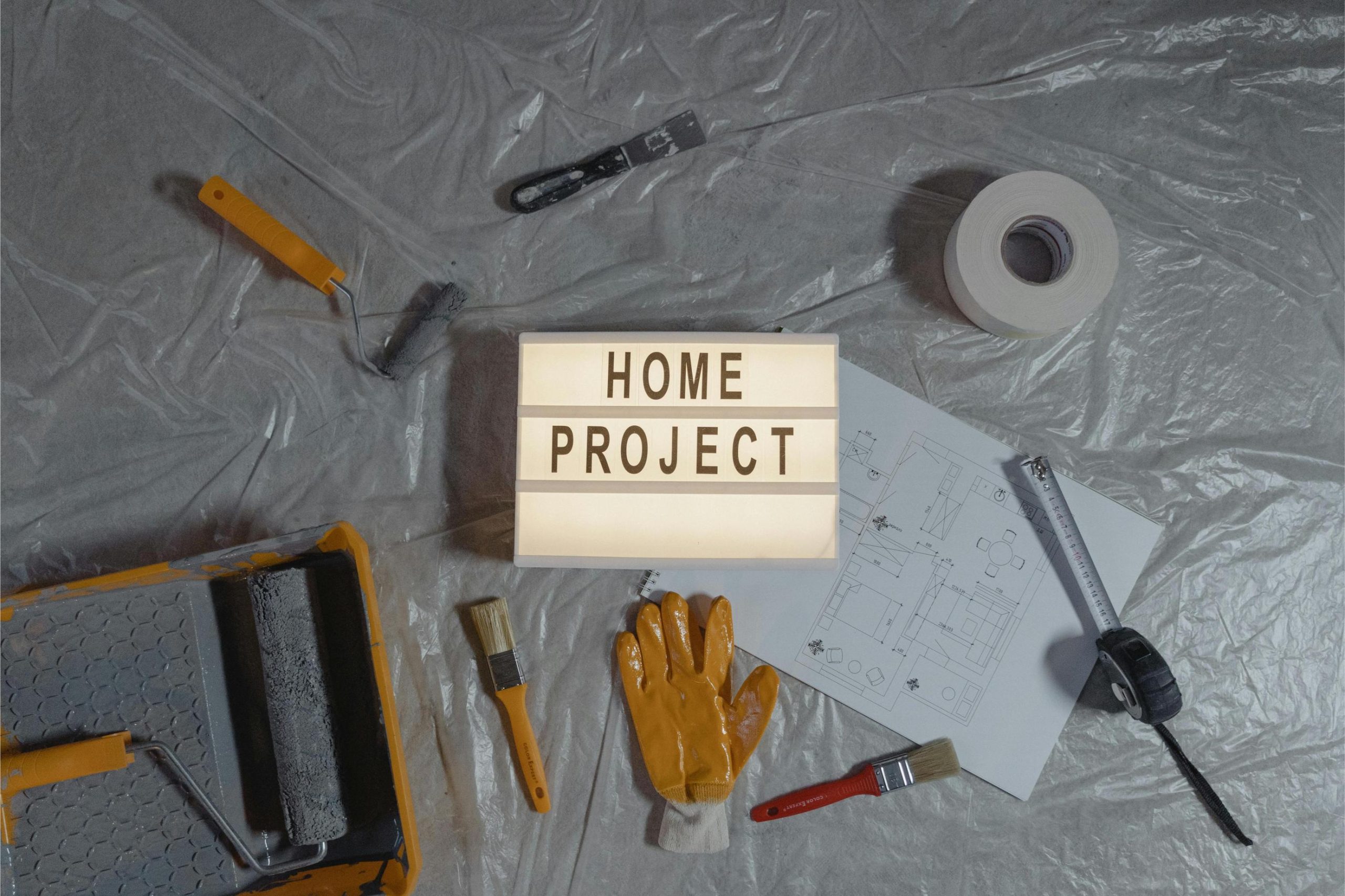
You don’t need to complete every home project at once. In fact, trying to tackle too many upgrades at the same time can quickly become stressful and expensive. A better approach is to create a long-term improvement plan that helps you stay organized and make smarter decisions over time.
Start by identifying the most important projects in your home. Focus first on repairs that affect safety, comfort, or the condition of your property. These may include:
- Roof leaks
- Plumbing issues
- Electrical problems
- Heating or cooling system repairs
Handling urgent repairs early helps prevent more serious and costly damage later.
Once the essential repairs are complete, you can begin planning future upgrades. Think about improvements that will increase functionality, comfort, and long-term value. This may include:
- Kitchen updates
- Bathroom improvements
- Energy-efficient upgrades
- Outdoor living spaces
Instead of rushing into every project, spread upgrades out over time based on your budget and priorities.
It’s also important to create a realistic budget for future work. Research estimated costs and start setting aside money gradually. Having savings prepared for upcoming projects reduces financial stress and helps you avoid unnecessary debt.
A long-term plan also gives you time to:
- Compare materials and contractors
- Make thoughtful design choices
- Avoid impulse decisions
By approaching home improvements step by step, you can manage costs more effectively and ensure each project adds lasting value to your home.
Avoid Common Upgrade Mistakes
Not every home improvement project adds long-term value. In fact, some upgrades can end up costing more money without providing much return. That’s why it’s important to make smart decisions before starting any project.
One common mistake is ignoring maintenance issues before making cosmetic changes. For example, installing new flooring or painting walls may look nice, but it won’t solve hidden problems like leaks, mold, or damaged wiring. Always handle essential repairs first to protect your investment and avoid bigger issues later.
Another mistake is choosing low-quality materials to save money upfront. Cheap materials may wear out faster, require more repairs, or lower the overall appearance of your home. Investing in durable, reliable materials often saves money in the long run because they last longer and perform better.
Homeowners also sometimes make the mistake of overspending on luxury features that don’t match the neighborhood or market. High-end upgrades may not always increase resale value if buyers in your area are not looking for those features. It’s important to balance style with practicality.
Other common mistakes include:
- Following short-term design trends
- Taking on too many projects at once
- Hiring unqualified contractors
- Forgetting to set a realistic budget
Instead of focusing only on appearance, prioritize improvements that are practical, durable, and functional. Upgrades that improve comfort, efficiency, and everyday use are more likely to provide long-term value and make your home a smarter investment.
Final Thoughts
The best home changes are the ones that improve both your daily life and your property’s long-term value.
Kitchen and bathroom upgrades, energy-efficient improvements, better storage, and outdoor living spaces are all smart investments. At the same time, regular maintenance and thoughtful planning are just as important as major renovations.
You don’t need to tackle everything at once. Start with the most important updates and build your improvement plan over time.
By focusing on lasting quality and functionality, you can create a home that is more comfortable, more efficient, and more valuable for years to come.