This article explores common jargon and terminologies used by roof repair services. Understanding these terms can help homeowners make informed decisions regarding their roofing needs. The world of roof repair can often seem overwhelming with its technical language and specialized terms. However, a little insight can go a long way in demystifying these complexities.
This article aims to equip you with the knowledge needed to confidently navigate your roofing project.
1. What are the Basics of Roof Repair?
Roof repair starts with understanding the core components that make up a roof. Roofing shingles are perhaps the most familiar element, forming the outermost layer that faces the elements. Beneath the shingles, roof flashing is a critical component for waterproofing, directing water away from joints and vulnerable areas. The underlayment, a vital layer, offers additional protection between the shingles and the roof deck. Meanwhile, fascia and soffit play essential roles in protecting the house and improving its aesthetic appeal.
The importance of roofing shingles cannot be overstated as they shield a home from environmental elements like rain, wind, and sun. Shingles can be made of various materials, including asphalt, wood, and metal, each offering different benefits. Flashing is often overlooked, but its role in preventing leaks around chimneys and vents is crucial. Additionally, the underlayment’s synthetic or felt material helps safeguard the roof deck from potential water damage. Fascia and soffit provide the final touches, hiding the roof’s edges and promoting ventilation under the roof eaves.
Each component—from roofing shingles to soffit—has a specific function that contributes to a roof’s overall performance. Roofers must understand how these parts work together to provide comprehensive repair solutions. For homeowners, knowing these basics can help identify problems early and communicate effectively with professionals. Familiarity with these terms can also aid in making decisions about materials and techniques during roof repairs. Ultimately, understanding the basics lays a strong foundation for tackling more complex roofing issues.
2. What Materials are Commonly Used in Roof Repairs?
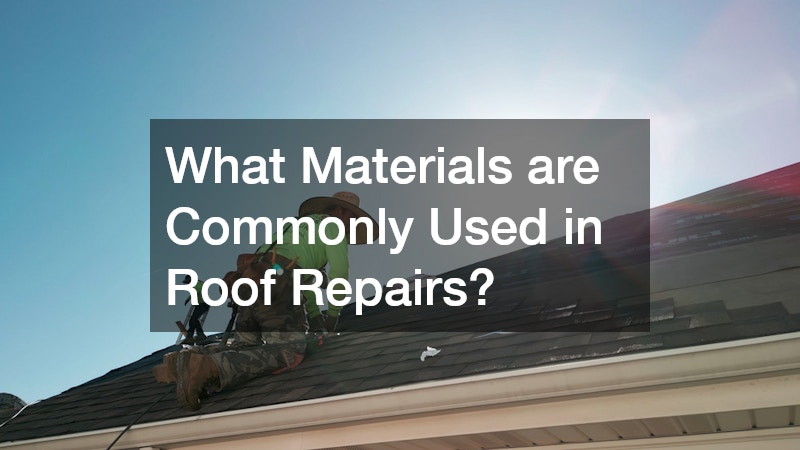
Materials are central to any roof repair, serving both functional and aesthetic purposes. Asphalt shingles are the most common due to their affordability and ease of installation. Metal roofing, though costlier, offers durability and energy efficiency that can reduce heating costs. Clay tiles present a traditional aesthetic and are outstanding for warmer climates, while wood shakes provide a rustic charm. Lastly, slate roofing, known for its longevity and elegance, is a premium choice for those willing to invest in long-lasting beauty.
Asphalt shingles are particularly favored due to their versatility and resilience in various weather conditions. They’re available in numerous styles and colors, making them easy to match with different architectural designs. Metal roofing is celebrated for its longevity, often lasting two to three times longer than asphalt shingles. Despite the higher cost, metal is an attractive option for those seeking robust protection against extreme weather. Meanwhile, clay tiles provide excellent insulation, helping maintain consistent indoor temperatures, though their weight requires reinforced roofing support.
The choice of roof material can significantly impact the repair process and the roof’s lifespan. For those seeking eco-friendly options, materials like metal and slate offer recyclability and reduced environmental impact. Wood shakes, while visually appealing, demand regular maintenance to prevent decay and insect infestation. Slate roofing, though expensive, can last over a century if properly maintained. Homeowners should carefully consider their climate, budget, and long-term goals when choosing roofing materials to ensure a satisfying outcome.
3. How Do Roof Repair Services Diagnose Problems?
Identifying roofing problems requires a range of diagnostic techniques to ensure accurate assessments. Leak detection is a primary concern, as water infiltration can lead to significant structural damage if left uncorrected. Roofers often employ visual inspections and moisture meters to pinpoint leak sources and assess the extent of water damage. Inspection techniques vary, from walking the roof to using drones for high-resolution images of hard-to-reach areas. Structural issues, like sagging or weakened trusses, require a thorough evaluation to determine necessary reinforcement or repairs.
Leak detection is crucial in maintaining roof integrity and preventing further degradation. Roofers recognize tell-tale signs such as discolored ceilings, mold, or puddles in the attic as indicators of leaks. By using advanced diagnostic tools, professionals can trace leaks to their origin, enabling efficient and targeted repairs. Other inspection techniques involve assessing flashing, gutters, and other areas prone to water ingress. For a comprehensive evaluation, roofers also examine ventilation systems, as improper airflow can exacerbate moisture buildup, leading to rot.
Identifying and addressing structural issues early is key in preserving a roof’s lifespan. Sagging rooflines or uneven surfaces often signal underlying problems that need immediate attention. Specialist diagnostic equipment, like thermal imaging cameras, can reveal temperature discrepancies indicative of insulation issues or moisture accumulation. Ventilation diagnostics are equally essential, as inadequate airflow can cause heat and humidity to undermine the roof’s integrity. When problems are accurately diagnosed, roof repair services can recommend precise and effective solutions tailored to the specific needs of the roof.
4. What are Common Roof Repair Solutions?
The range of repair solutions available ensures that various roofing issues can be effectively addressed. Shingle replacement is a frequent repair, particularly following severe weather events that can dislodge or damage shingles. Flashing repair focuses on the metal strips and seals that prevent water from entering through joints or protrusions, ensuring continued waterproof integrity. Seam patching is another critical solution, targeting leaks and gaps in roofing materials to restore a continuous barrier against the elements. Gutter restoration is often necessary to manage water runoff and prevent overflow that can damage the roof and surrounding structures.
Shingle replacement is vital for maintaining the roof’s protective capabilities, as damaged shingles can lead to leaks. When undertaking shingle repairs, roofers typically ensure a color and material match to preserve the roof’s aesthetic appeal. Flashing repairs, on the other hand, aim to correct any faulty or compromised metalwork around chimneys, vents, and edges. This step is essential in preventing water infiltration and ensuring long-term roof stability. Seam patching involves applying a waterproof sealant to joints and small breaches, creating a robust seal that withstands weather fluctuations.
In some cases, roofs may require more extensive solutions, such as a comprehensive overhaul, to restore their structural integrity. This approach often involves replacing multiple components, including decking, underlayment, and shingles, to address widespread damage. Gutter restoration goes hand-in-hand with roof repairs, as maintaining proper drainage is crucial for preventing water accumulation and related damage. Comprehensive repairs not only enhance the roof’s durability but also its energy efficiency, potentially leading to lower utility costs. Ultimately, selecting the right repair solution depends on accurately diagnosing the problem and understanding the roof’s specific needs.
5. What Should Homeowners Consider When Hiring a Roof Repair Service?
Choosing the right roof repair service involves assessing several critical factors to ensure a successful repair process. Experience and expertise are paramount, as seasoned professionals bring invaluable knowledge and skills to handle a variety of roofing challenges. Licensing and insurance offer legal protections and peace of mind, confirming that the service complies with industry standards and is accountable for its work. Customer testimonials and reviews provide insight into the service’s reliability and the quality of its work. Cost estimates are also essential, helping homeowners budget accurately and avoid unexpected expenses during the repair.
Experience in the roofing industry allows professionals to foresee potential issues and implement effective solutions swiftly. However, homeowners should verify that a potential hire is fully licensed and insured to protect against liability for accidents or damages. Reviews and testimonials from past clients can reveal a lot about a company’s professionalism, punctuality, and quality of workmanship. Cost estimates should be detailed and broken down item by item, allowing homeowners to understand precisely what they are paying for. Warranty and service guarantees further enhance trust, offering assurance of a long-lasting repair.
When selecting a roof repair service, communication is a key consideration to ensure a harmonious working relationship between the homeowner and the contractor. Professionals who prioritize clear and transparent communication are more likely to keep homeowners informed throughout the project. Companies that provide comprehensive consultations and thoroughly explain the repair process contribute significantly to client satisfaction. Considerate roofers often offer free initial assessments to evaluate the project’s scope before committing to specific solutions. Ultimately, a well-chosen roofing contractor not only resolves existing issues but also supports homeowners in maintaining their roof’s health for years to come.
In conclusion, understanding the terminology used by roof repair services can help homeowners make informed choices and avoid unnecessary surprises during repairs. Knowledge about materials, repair solutions, and hiring considerations can guide a smoother repair process. With the right insights, homeowners can effectively communicate with professionals and participate in the decision-making process. Ultimately, staying informed empowers homeowners to choose the best solutions for their roofing concerns, ensuring a safer and more sustainable home. By embracing the knowledge shared in this article, individuals are better positioned to navigate their roofing needs with confidence.